Facts
General Facts
Lake Kivu is one of Africa’s most significant and scenic Great Lakes, positioned along the western edge of Rwanda where the Albertine Rift creates dramatic landscapes of volcanic mountains, terraced hillsides, and deep geological basins. It is shared by Rwanda and the Democratic Republic of Congo, forming one of the continent’s most prominent transboundary freshwater ecosystems. Covering an area of roughly 2,700 square kilometers, Lake Kivu is among the world’s deepest lakes, reaching depths that extend beyond 480 meters in certain basins. Its surface sits at an altitude of approximately 1,460 meters above sea level, creating a cool and temperate microclimate that shapes life along its shores.
The lake is renowned for its freshwater system enriched by volcanic substrates that influence its chemical composition. It is globally known for the vast quantities of dissolved methane and carbon dioxide stored in its depths, a geological phenomenon that has attracted scientific interest for decades. While historically a concern, this natural accumulation has evolved into a resource through innovative methane extraction technologies pioneered by Rwanda. Lake Kivu stands as an example of how environmental risk can be transformed into economic opportunity through sustainable management and technical innovation.
The lake’s shoreline stretches across multiple Rwandan districts including Rubavu, Karongi, Rutsiro, and Rusizi. Each region contributes to its identity through unique cultural practices, tourism attractions, agricultural landscapes, and lakeside settlements. Management of the lake and its surrounding environment is undertaken by the Rwanda Development Board and local authorities alongside scientific institutions and conservation partners dedicated to safeguarding water quality, promoting responsible tourism, and maintaining the lake’s ecological integrity.
Geography & Hydrology
Lake Kivu’s geography is defined by its location within the Albertine Rift, one of Africa’s most active geological zones. This rift system created steep escarpments, volcanic massifs, and deep valleys that cradle the lake in a dramatic natural amphitheater. Hills surrounding the lake are shaped by fertile volcanic soils, supporting banana plantations, coffee farms, eucalyptus stands, and intricate rural terraces that extend from high ridges all the way to the water’s edge. This mosaic of cultivated landscapes and natural forested slopes forms one of the most visually compelling regions in central Africa.
Hydrologically, Lake Kivu plays a vital role as a freshwater reservoir that discharges into the Rusizi River, eventually feeding Lake Tanganyika. Its waters are nourished by dozens of streams, small tributaries, and seasonal runoff from surrounding highlands. The hydrology of the lake is influenced by both rainfall and groundwater input, creating a complex system where volcanic interaction, mineral enrichment, and stratification patterns make the lake globally unique.
Because of its unusual chemical composition, Lake Kivu is a meromictic lake, meaning its deep waters do not mix with the upper layers. This separation results in stable stratification where dense gas-rich waters lie beneath an oxygenated surface layer. While this phenomenon has generated global scientific interest, ongoing methane extraction projects help address potential geological risk by safely reducing gas concentration while supplying Rwanda with domestic energy.
The lake acts as a major climatic regulator for western Rwanda. It moderates temperatures, supports local agriculture through evapotranspiration-driven moisture cycles, and provides a reliable water source for fisheries, domestic use, and small-scale irrigation. The hydrological stability of Lake Kivu is essential for the wellbeing of lakeside communities and plays a critical part in regional water security.
Biodiversity & Wildlife
Lake Kivu’s biodiversity is shaped by its freshwater ecosystems, riparian vegetation, wetlands, and forested hills that surround its shores. Although it does not host large mammal populations like Rwanda’s national parks, the lake supports a wide range of aquatic and bird species as well as smaller terrestrial fauna that thrive in its diverse habitats.
The lake’s freshwater environment supports native fish species including sambaza, one of the lake’s most culturally and economically important fish. Local fishermen venture onto the water in characteristic wooden boats, often illuminated at night by lanterns during traditional fishing activities that have been practiced for generations. While the number of species is lower than in lakes with less volcanic influence, the lake still provides key breeding grounds and supports vibrant fishing economies.
Birdlife along Lake Kivu is particularly impressive. The wetlands, rocky outcrops, and islands host species such as African fish eagles, malachite kingfishers, hamerkops, herons, and cormorants. The forested hills provide habitat for sunbirds, weavers, swallows, and a variety of raptors. Migratory birds also use the lake as a seasonal stopover, adding to its avifaunal richness.
The shoreline vegetation—ranging from papyrus stands to small forest patches—supports mammals such as mongoose species, otters, and small antelopes that inhabit nearby hills. Reptiles including monitor lizards and various snake species can be encountered along the lakeside forests. The warm, humid microhabitats around the lake are home to frogs, toads, and diverse butterfly species that thrive in gardens, farms, and wetland areas.
Lake Kivu’s biodiversity is enriched by the ecological connectivity between the lake and surrounding mountainous regions including Volcanoes National Park and Gishwati Forest. This ecological corridor influences bird movement, water cycles, and vegetation patterns across the western Rwandan landscape.
Activities & Attractions
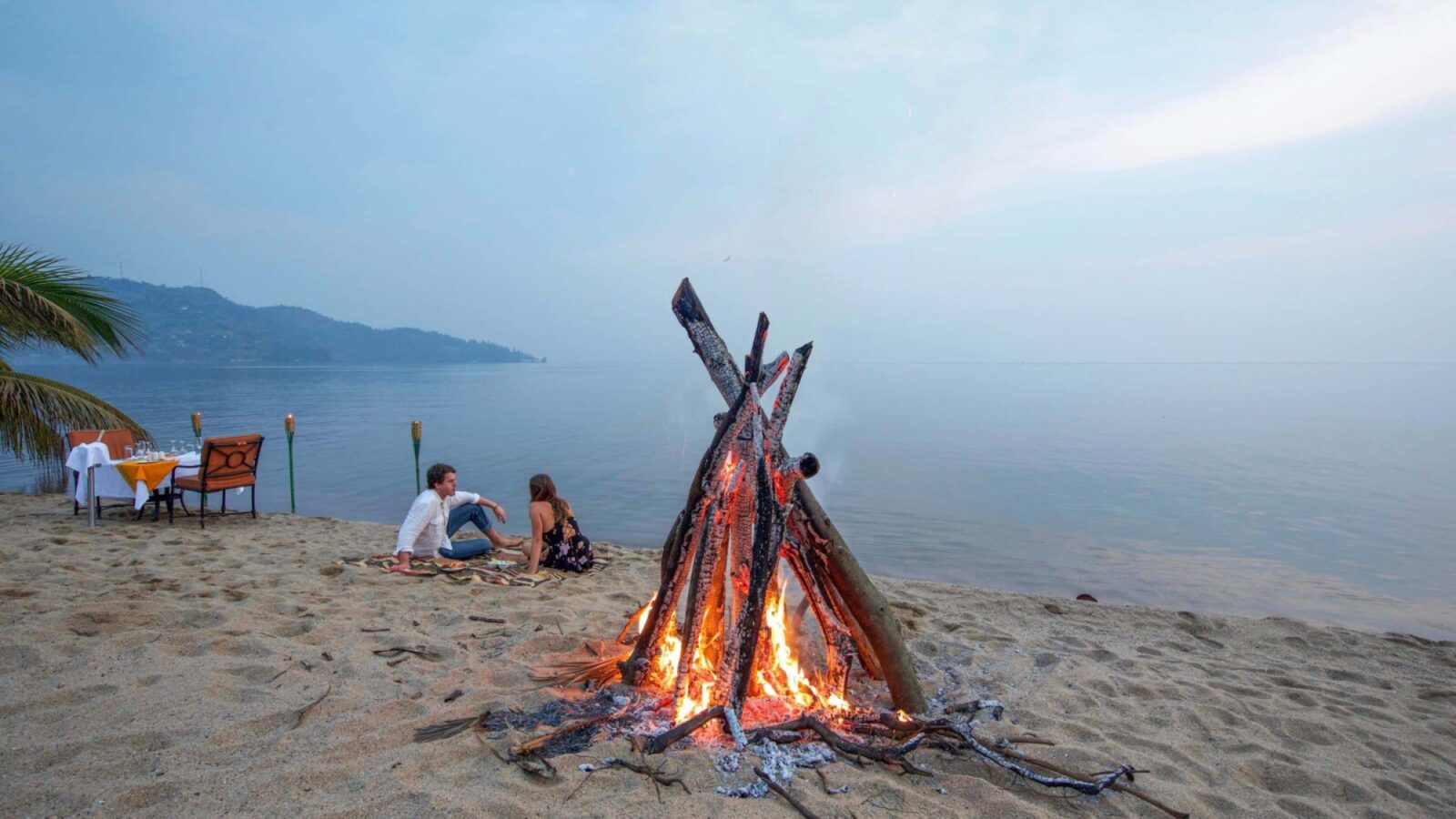
Lake Kivu provides one of Rwanda’s most rewarding and peaceful travel experiences, attracting visitors seeking relaxation, cultural immersion, and a scenic escape between national parks. The calm waters create a perfect environment for swimming in designated areas, kayaking, canoeing, and leisurely boat rides that glide between islands, fishing villages, and serene bays. The lake’s warm, mineral-rich waters offer naturally soothing conditions enjoyed by travellers year-round.
Scenic boat excursions are among the lake’s most popular activities. They reveal a landscape of rugged hills, small islands, and traditional fishing boats that cross the lake during early morning and late evening hours. Sunset boat rides are particularly atmospheric as the surrounding hills cast purple silhouettes over the shimmering water.
The lakeside towns offer their own distinct attractions. Rubavu (Gisenyi) features beautiful sandy beaches, waterfront promenades, and historic colonial-era structures that reflect the region’s past. Karongi (Kibuye) is admired for its tranquil beauty, small peninsulas, churches, and hidden bays that invite introspective exploration. Rusizi provides a quieter, more remote lakeside experience close to the southern border.
Hiking around the lake introduces travellers to terraced slopes, coffee plantations, and small family farms where interactions with local residents enrich the experience. The Congo Nile Trail, a long-distance hiking and cycling route along the lake’s edge, is considered one of the most scenic adventure trails in East Africa. It connects communities, viewpoints, waterfalls, and hidden natural gems in a journey that illustrates the harmony between landscape and culture.
Cultural experiences are deeply rooted in lakeside traditions. Community tourism initiatives invite visitors to participate in banana beer preparation, traditional fishing, handcraft weaving, boat-making demonstrations, and cultural storytelling. These interactions highlight the central role the lake plays in local identity and heritage.
Climate & Seasons
Lake Kivu’s climate is shaped by its altitude and position within Rwanda’s temperate western highlands. The lake maintains mild temperatures throughout the year, typically ranging between 18°C and 27°C during daytime. Evenings may become cooler due to lake breezes, especially along elevated viewpoints where winds from surrounding hills converge.
The region receives generous rainfall during the long rains from March to May and the short rains from October to November. During these months, the landscape transforms into lush greenery, streams become fuller, and the terraced hills glow with fresh vegetation. Mist sometimes forms over the water in the early morning, creating a strikingly atmospheric scene.
The dry seasons from June to September and December to February offer stable conditions ideal for hiking, boating, and lakeside relaxation. Water activities remain accessible throughout the year due to the lake’s warm, calm surface. Cloud patterns during the dry months often produce golden evening light, reinforcing the lake’s reputation as a photographer’s paradise.
Regardless of season, Lake Kivu’s weather remains comfortable for travellers. Its high altitude offsets tropical heat, and the lake moderates temperature fluctuations. Visitors benefit from cool breezes and steady climatic conditions that enhance the overall travel experience.
Accessibility
Lake Kivu is among Rwanda’s most accessible natural attractions. Its northern, central, and southern shores are connected to Kigali and other major regions through well-developed road networks. A journey from Kigali to Rubavu takes approximately three hours, passing through rolling hills, coffee plantations, and pastoral landscapes. Travel from Kigali to Karongi typically takes around three and a half hours via scenic routes that reveal some of the country’s most beautiful countryside.
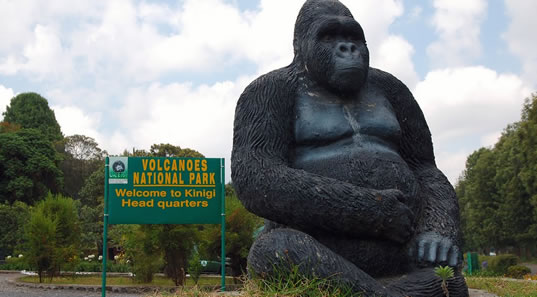
Road access from Volcanoes National Park to the lake is especially convenient, making Lake Kivu a natural relaxation stop after gorilla trekking. Travellers coming from Nyungwe Forest can also reach the lake with ease, particularly through Rusizi, creating a smooth connection between Rwanda’s rainforest, volcanic region, and lakeside environments.
Local transport services, taxis, and private tour vehicles provide reliable access. The infrastructure around the lake continues to improve, offering smooth travel even to lesser-visited shores and community tourism sites. Although most routes are paved, minor roads near remote landing sites may be affected during the rainy season, where four-wheel drive vehicles are recommended for challenging stretches.
Accommodation
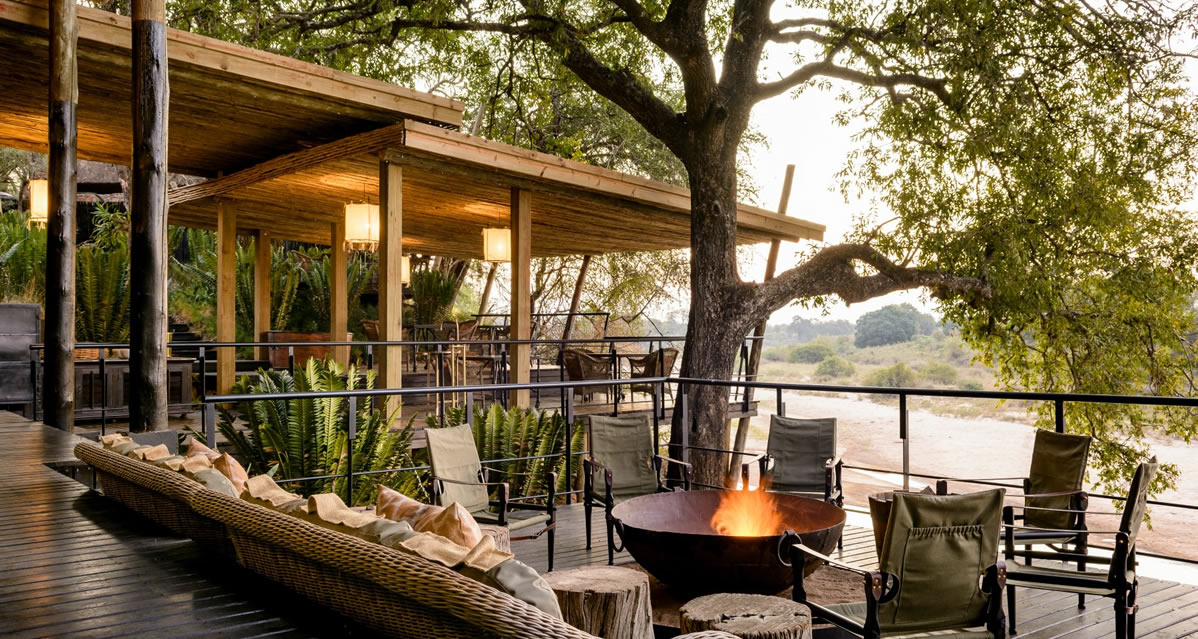
Lake Kivu offers an expanding range of accommodation styles that reflect its diversity, scenery, and cultural hospitality. High-end boutique lodges on elevated slopes provide sweeping views across the water, offering luxurious comfort enhanced by panoramic sunset vistas. Many of these properties incorporate eco-friendly architecture, natural materials, and locally inspired designs that harmonize with surrounding landscapes.
Mid-range hotels and lake-facing retreats positioned in Rubavu, Karongi, and Rusizi accommodate travellers looking for comfort combined with affordability. These properties offer beach access, lake-view terraces, and proximity to town attractions while maintaining peaceful environments ideal for relaxation.
Community guesthouses near remote villages offer immersive cultural stays where guests learn about local daily life, traditional practices, and lakeside heritage. Homes, eco-cabins, and small guest lodges run by local cooperatives are increasing in popularity, bringing sustainable economic benefits to surrounding communities.
Regardless of the category, hospitality around Lake Kivu is shaped by Rwanda’s reputation for warmth, cleanliness, and attention to detail. Guest experiences often include fresh local cuisine, garden-grown produce, and opportunities to engage with community tourism leaders or lakeside artisans.
Conservation Importance
Lake Kivu’s ecological significance is profound, making conservation vital for its long-term stability. The lake’s unique limnological characteristics, particularly the dissolved gases within its depths, require ongoing monitoring, scientific management, and strict environmental regulation. Rwanda has become a global leader in addressing these geological factors through methane extraction projects that reduce risk while producing renewable energy.
Conservation initiatives also focus on protecting water quality by managing agricultural runoff, regulating lakeside development, and promoting sustainable fishing practices. The maintenance of riparian vegetation along the shoreline supports biodiversity, stabilizes soils, and reduces erosion into the lake.
Local communities are central to conservation success. Many are engaged in sustainable fishing cooperatives, community forestry projects, agricultural training programs, and eco-tourism partnerships. Conservation education initiatives strengthen awareness about responsible lake use, waste reduction, and environmental stewardship across towns and villages.
The lake’s importance extends beyond ecology. It provides freshwater resources, supports regional agriculture, and underpins the tourism economy. Its conservation ensures environmental stability while sustaining the livelihoods of thousands of Rwandans living along its shores.
Cultural & Historical Context
Lake Kivu has shaped the cultural identity of western Rwanda for generations. Its shores have long supported fishing communities, trading routes, and farming populations who rely on the lake’s resources. Cultural traditions such as fishing by lantern light, boat construction using ancient techniques, and lakeside storytelling sessions reflect deep relationships between people and the water.
Historical influences remain visible across the region. Colonial architecture in Rubavu reveals chapters of early twentieth-century settlement, while memorials and cultural museums in the region highlight more recent historical periods. The lake has also played a role in spiritual practices, folklore, and oral traditions that continue to be shared across generations.
Cultural practices such as pottery, weaving, and traditional dance find inspiration in the rhythms of lakeside life. Bananas, sorghum, beans, and coffee cultivated on terraced slopes form the basis of local cuisine, while fish from the lake remains central to daily meals. As eco-tourism expands, communities have begun showcasing their heritage through guided cultural tours, craft cooperatives, and performance groups.
Visitor Facts
All visits to Lake Kivu can be enjoyed independently or guided, with many travellers opting for organized experiences through local tour operators who understand the region’s geography, culture, and safety protocols. Boat trips, hiking activities, coffee tours, and cultural experiences should be arranged in advance during peak travel seasons.
Photography is widely encouraged due to the lake’s scenic appeal. Early mornings and late afternoons provide the best lighting, while misty conditions create atmospheric landscapes ideal for nature photography.
The lake is open to visitors throughout the year, with different seasons offering varied scenic and cultural experiences. Visitors should be prepared for changing weather conditions, especially in higher elevations surrounding the lake. Comfortable footwear, sun protection, and light layers ensure ease during exploration.
Interesting Facts
Lake Kivu is one of the world’s three known methane-rich lakes, forming a globally important natural laboratory for geological and limnological research. It is also one of Africa’s most scenic Great Lakes, known for its deep volcanic basins and terraced highlands. The lake supports unique fishing traditions where night fishermen use small wooden boats illuminated by lanterns across the water. It forms a serene midpoint between Rwanda’s primate-rich Volcanoes and Nyungwe Forest National Parks. Its calm waters make it one of the safest African lakes for swimming and water recreation.