Facts
General Facts
Name: Kigali City
Established: Became the capital of Rwanda in 1962
Country: Rwanda
Region: Central Rwanda, spanning multiple rolling hills and valleys
Area: Approximately 730 square kilometers
Altitude Range: Roughly 1,300 to 1,850 meters above sea level
Type: Urban center with modern infrastructure, cultural landmarks, and green urban landscapes
UNESCO Status: Not designated, but home to heritage institutions and cultural conservation hubs
Management: Governed by the City of Kigali Authority in coordination with district administrations of Gasabo, Kicukiro, and Nyarugenge
Geography & Urban Landscape
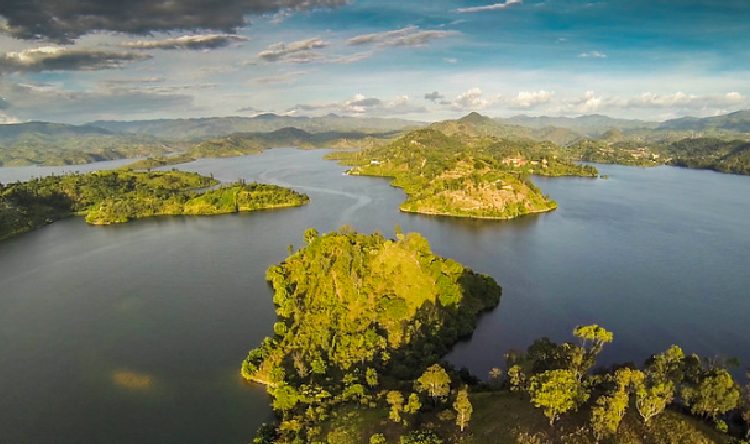
Kigali City occupies the central highlands of Rwanda, nestled among a series of gently rising hills, ridges, and deeply carved valleys that define the country’s geographical identity. The landscape is shaped by volcanic soils, terraced slopes, and green vegetation that remains lush throughout the year. This varied topography results in panoramic viewpoints across almost every district, giving Kigali its signature blend of urban development and natural beauty.
The city’s elevation contributes to a temperate climate, making it one of Africa’s most comfortable capitals to explore. Kigali’s geography supports a rare harmony between nature and urbanization, with carefully planned neighborhoods, landscaped roadways, and green public spaces complementing the city’s infrastructure.
Kigali also functions as a watershed for central Rwanda, feeding several tributaries and seasonal streams that drain into the Nyabarongo River system. These water channels support agriculture, local wetlands, and urban greenery, while also helping regulate temperatures and humidity. Sustainable city planning, including erosion control, waste management, and environmental protection zones, ensures that Kigali’s hydrological systems remain stable within an expanding metropolitan region.
Cultural Landscape & Social Identity
Kigali City embodies Rwanda’s cultural heartbeat, representing a mosaic of traditions, modern innovation, and shared national values. Its population is characterized by diversity in profession, ethnicity, and artistry, but unified by a collective emphasis on cleanliness, safety, and community participation. Monthly Umuganda (community work day) reflects Kigali’s social identity, where residents jointly maintain public spaces, roadsides, gardens, and neighborhoods.
The cultural landscape is enriched through art galleries, cultural centers, theatres, memorials, and creative hubs that preserve and express Rwanda’s heritage. Kigali is a city where ancestral customs coexist with modern design, technology, and contemporary cultural expression. This balance gives Kigali a distinctive personality—future-focused yet deeply rooted in national memory and cultural pride.
Biodiversity & Urban Wildlife
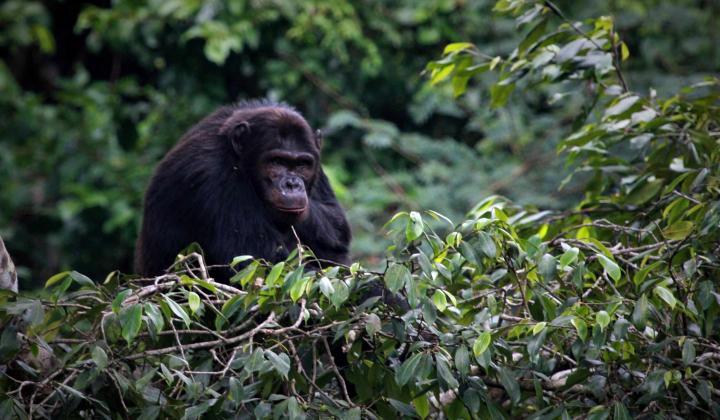
Although Kigali is a bustling urban center, pockets of biodiversity continue to thrive within and around the city. Protected green belts, wetlands, gardens, and tree-lined avenues support a surprising level of plant and animal life. Wetland areas such as the Kigali Wetlands Complex host bird species including herons, kingfishers, egrets, ibises, and various migratory visitors.
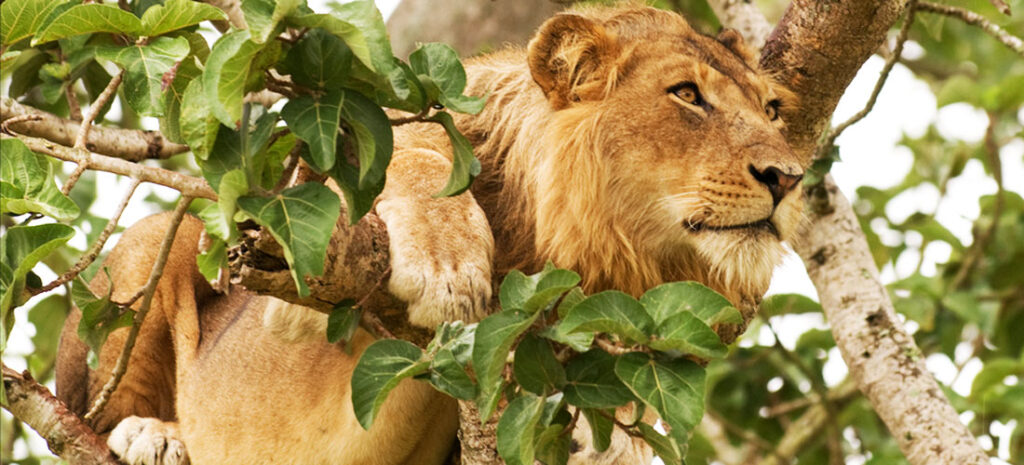
Urban forests, private gardens, and natural reserves surrounding the city shelter smaller mammals such as civets, mongoose species, bats, and various rodents. Reptiles including chameleons, geckos, and harmless snakes live in vegetated areas. Kigali’s biodiversity reflects the country’s national focus on environmental conservation even within expanding urban spaces.
The city’s preserved wetlands serve ecological functions including water purification, flood mitigation, and climate regulation. Native grasses, papyrus stands, and aquatic plants stabilize soil and provide habitat for local wildlife. These ecosystems are rare in African capitals, making Kigali a model for green urban planning.
Activities & Attractions
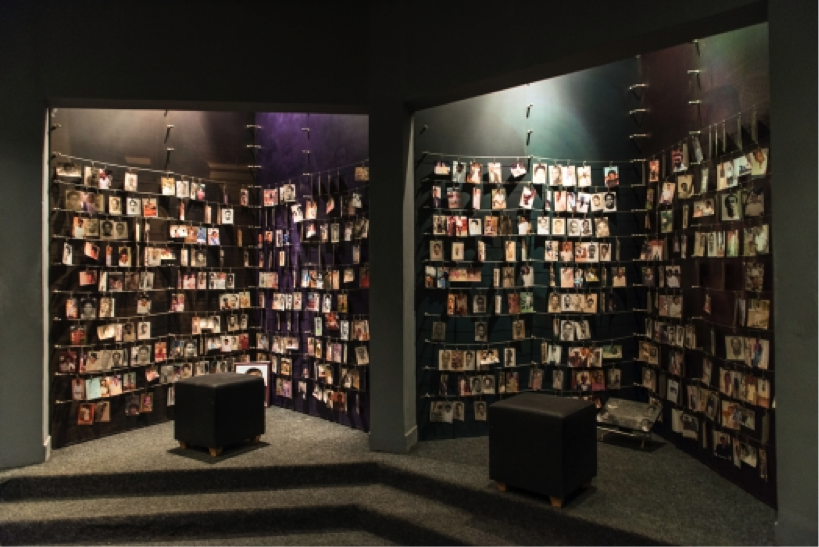
Kigali offers a rich variety of attractions that blend education, history, culture, cuisine, and scenic exploration. The Kigali Genocide Memorial stands among the most important landmarks, offering visitors a moving and comprehensive understanding of Rwanda’s 1994 Genocide against the Tutsi. Through exhibitions, archival materials, and tranquil landscapes, the site provides powerful insight into Rwanda’s reconciliation and unity.
Art and cultural centers such as Inema Arts Center, Niyo Arts Gallery, and Kigali Cultural Village introduce visitors to the country’s creative spirit. These spaces host exhibitions, performances, community outreach programs, and workshops that highlight contemporary Rwandan artistry. The increasing global recognition of Rwandan art has elevated Kigali’s status as a cultural capital in East Africa.
Kigali’s markets provide vibrant experiences of daily life. Kimironko Market is known for its colorful stalls of fabrics, food, and handmade crafts. Nyamirambo, one of Kigali’s oldest neighborhoods, offers walking tours filled with street culture, local cuisine, and storytelling traditions that reflect the city’s multicultural flavor.
For scenic enjoyment, Mount Kigali provides hiking trails, horse-riding opportunities, and relaxation spots overlooking the city’s hills. Cafés and restaurants in districts like Kiyovu, Kimihurura, and Nyarutarama offer culinary journeys through Rwandan produce, specialty coffees, and international dishes. Kigali’s nightlife, though modest, includes lounges, music venues, and cultural nights where traditional dance and drumming performances animate the city after sunset.
Climate & Seasons
Kigali’s climate is defined by its mid-elevation tropical highland environment, which ensures mild temperatures and consistent weather patterns throughout the year. Average temperatures range between 20°C and 28°C during the day, with cooler evenings that encourage comfortable movement and outdoor activities.
The city experiences two primary rainy seasons, from March to May and from October to November. During these months, showers nourish vegetation, fill wetlands, and renew the landscapes, giving Kigali a vibrant green appearance. Rains often fall in brief bursts rather than continuous downpours, allowing sightseeing and city exploration to continue for most of the day.
The dry seasons, between June and September and again from December to February, provide ideal weather for urban exploration and cultural tours. Clear skies make hilltop viewpoints particularly scenic, while warm daylight enhances the experience of markets, walking tours, and outdoor dining.
Kigali’s climate, steady and gentle, contributes to its reputation as one of East Africa’s most comfortable and accessible capitals.
Accessibility
Kigali is one of the easiest African cities to reach thanks to Kigali International Airport, a modern gateway that connects Rwanda with East Africa, Europe, the Middle East, and select international destinations. The airport is located just minutes from major districts, making transfers efficient.
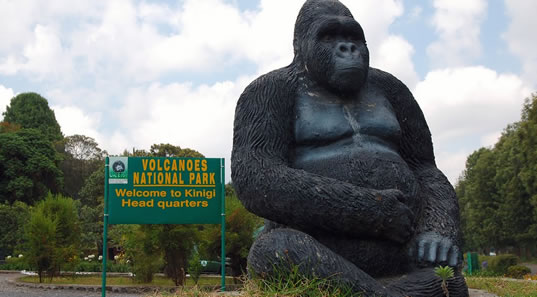
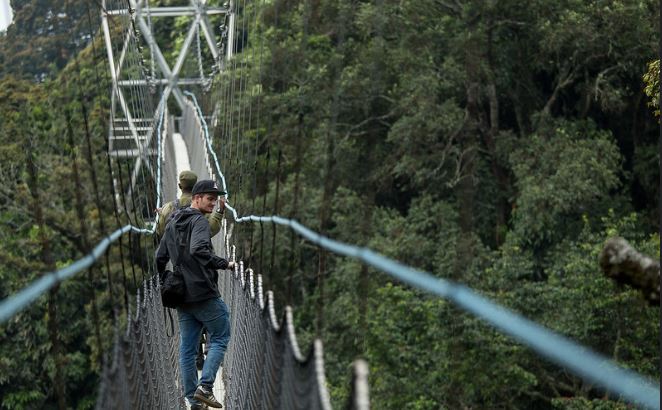
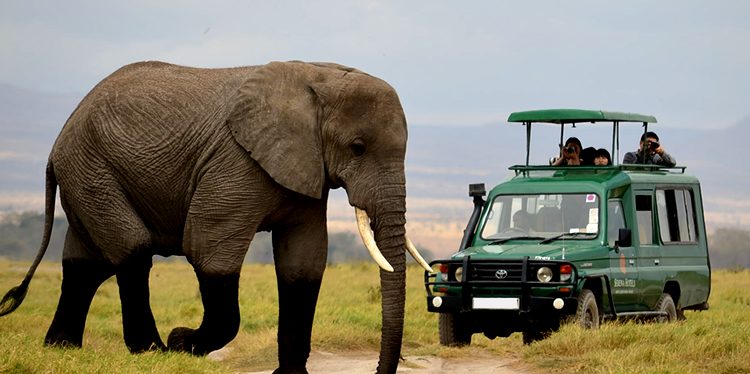
The city’s well-maintained road network enables smooth movement between neighborhoods and to national parks. Roads leading to Volcanoes National Park, Akagera National Park, and Nyungwe Forest National Park begin directly from Kigali, allowing the city to function as the central hub for Rwanda’s safari circuits.
Public transportation includes buses, registered taxis, and ride-hailing services, although most visitors rely on private transfers. Kigali’s reputation for safety, order, and clean urban planning makes moving around straightforward for travellers.
Accommodation
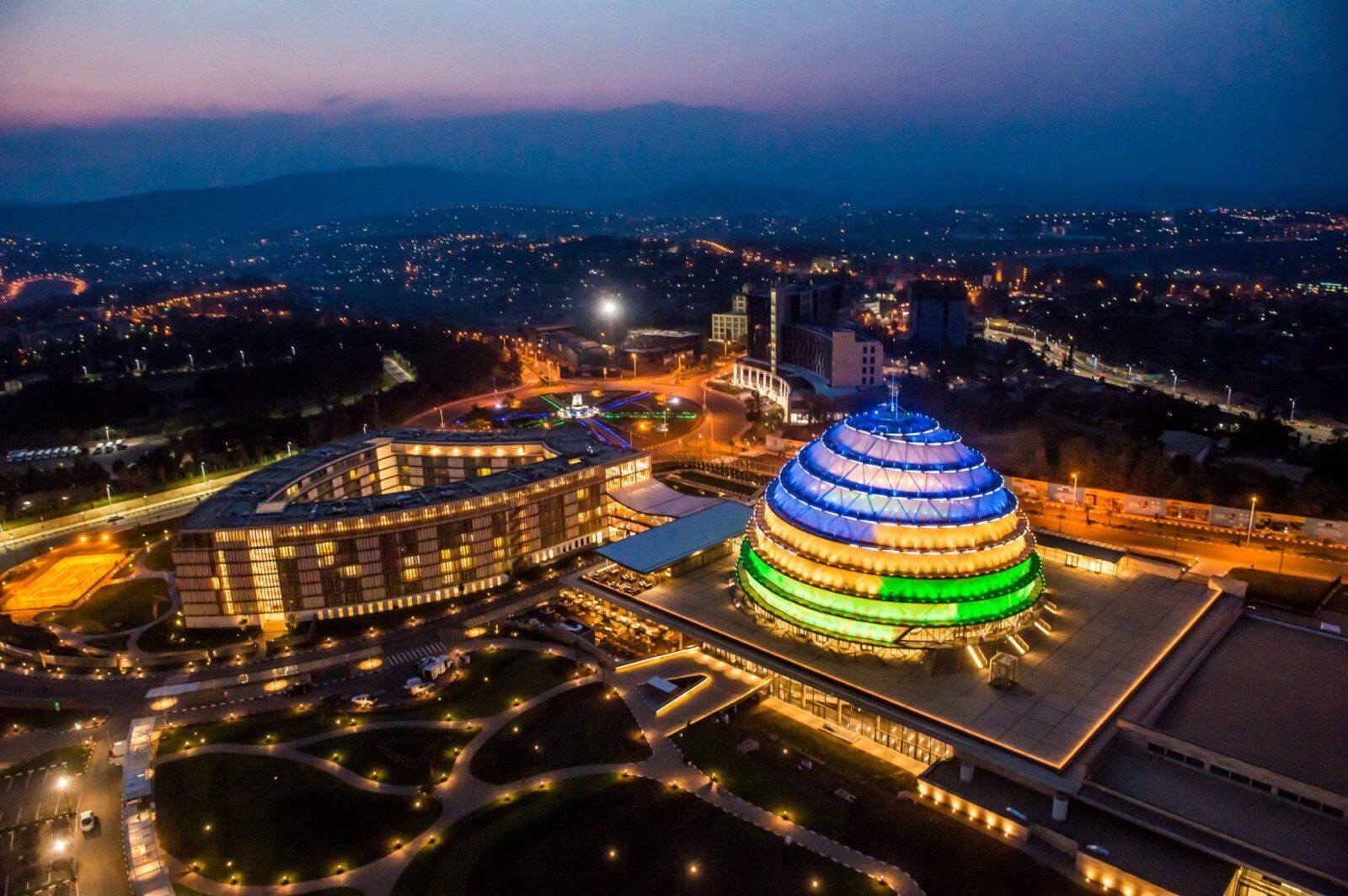
Kigali’s accommodation offerings reflect its growth as a business, cultural, and tourism center. Luxury hotels such as Kigali Serena Hotel, The Retreat by Heaven, and Radisson Blu Hotel & Convention Center cater to travellers seeking comfort, fine dining, spa services, and exceptional hospitality.
Mid-range hotels across Kimihurura, Remera, and Nyarutarama provide stylish, affordable stays with reliable service, making them popular with leisure travellers, digital nomads, and conference attendees. Boutique lodges often incorporate Rwandan design elements, local artwork, and intimate hospitality.
Budget accommodations, community guesthouses, and homestays provide simpler but welcoming environments, appealing to cultural travellers and backpackers. All categories maintain the country’s commitment to cleanliness and customer care.
Conservation Importance
Kigali City plays a central role in Rwanda’s broader conservation agenda. Government ministries, conservation NGOs, and environmental research institutes headquartered in Kigali oversee wildlife protection, tourism development, reforestation programs, and climate initiatives across the country.
Urban conservation efforts include wetland protection, invasive species control, waste-management systems, and strict anti-littering laws. Kigali’s reputation as Africa’s cleanest city is not only aesthetic but ecological, preserving green spaces and reducing pollution.
Community participation remains a cornerstone of conservation in Kigali. Monthly Umuganda mobilizes residents to plant trees, maintain roads, clean neighborhoods, and uphold environmental stewardship—demonstrating Rwanda’s collective approach to sustainability.
Cultural & Historical Context
Kigali’s cultural and historical identity is deeply intertwined with Rwanda’s national story. Before becoming the capital in 1962, Kigali existed as a modest administrative post established during the colonial period. Over time, it expanded into a thriving metropolis reflecting Rwanda’s resilience and forward-looking spirit.
The city holds historic sites related to pre-colonial governance, early trade networks, and post-independence development. However, its most defining historical landmark is the Kigali Genocide Memorial, which honors victims of the 1994 Genocide against the Tutsi and educates visitors on the nation’s journey toward peace and unity.
Kigali’s cultural landscape includes traditions of storytelling, dance, craftsmanship, and communal practices that strengthen social bonds and preserve heritage. Modern art galleries, music studios, and cultural hubs demonstrate Kigali’s emergence as a cultural capital in East Africa.
Visitor Facts
All major attractions in Kigali are accessible year-round, with guided city tours recommended for deeper cultural and historical context. Photography is permitted at most sites except where restricted for privacy or security reasons. Visitors are encouraged to dress respectfully in memorial sites and engage with local customs politely.
Kigali’s safe, organized environment allows visitors to explore both day and night, though guidance from local hosts enhances comfort and navigation. Most major services—including banking, healthcare, and hospitality—operate at high professional standards.
Interesting Facts
Kigali is considered one of Africa’s cleanest and safest capitals, a reputation maintained through community-led cleaning programs.
The city is built across more than 15 major hills, each offering scenic panoramic views.
Kigali is home to one of Africa’s largest convention centers, making it a leading hub for international conferences.
The city’s coffee culture is among the most vibrant in East Africa, driven by Rwanda’s specialty coffee farms.
Kigali’s transformation over the past three decades is widely regarded as one of the most successful urban development models in Africa.