Facts
General Facts
Name: Genocide Memorial Sites of Rwanda
Established: Post-1994, following the Genocide against the Tutsi
Country: Rwanda
Region: Nationwide (Central, Southern, Eastern, Western, and Northern Provinces)
Number of Major Memorials: Over 250 recognized sites, with several nationally significant memorials
Type: Historical, commemorative, educational, and burial memorials
UNESCO Status: Not designated; nationally protected heritage and remembrance sites
Management: Overseen by the Government of Rwanda in collaboration with survivor organizations, memorial foundations, and local authorities
Geography & Spatial Distribution
Genocide Memorial Sites in Rwanda are geographically distributed across the entire country, reflecting the nationwide scale of the 1994 Genocide against the Tutsi. Unlike centralized memorial systems found elsewhere in the world, Rwanda’s approach intentionally embeds remembrance within local communities, villages, churches, schools, and former administrative centers where atrocities occurred.
Urban memorials, such as the Kigali Genocide Memorial, are situated within developed city landscapes, while rural memorials are often located in quiet hills, valleys, and former communal gathering points. This spatial contrast reinforces the reality that the genocide unfolded across both urban and rural Rwanda, affecting every geographic and social layer of the nation.
The physical placement of memorials is deliberate. Many sites remain exactly where mass killings occurred, preserving the integrity of place and memory. Landscapes surrounding these memorials are often left understated, allowing natural silence, open space, and minimal architectural intervention to support reflection rather than distraction.
Historical Landscape & Memorial Architecture
The architectural language of Rwanda’s Genocide Memorial Sites is intentionally restrained. Structures are designed to communicate gravity, dignity, and permanence without ornamentation. Materials such as stone, concrete, glass, and earth are commonly used, symbolizing endurance, transparency, and grounding.
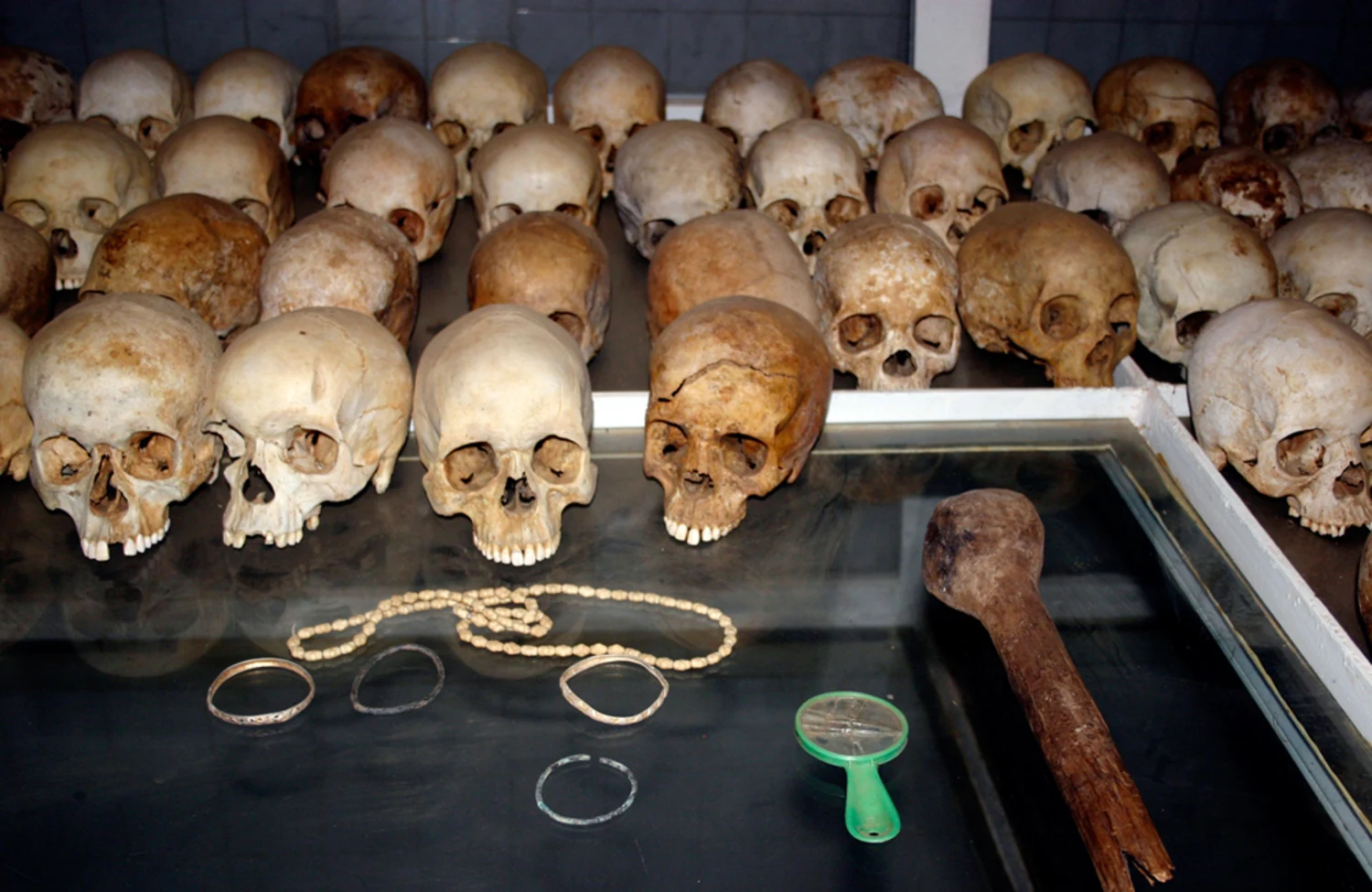
Some memorials preserve original buildings—churches, schools, or administrative offices—where victims sought refuge and were later killed. Others feature newly constructed crypts and exhibition halls that house remains in accordance with cultural and ethical standards. Mass graves are carefully marked, sealed, and maintained as sacred burial grounds rather than archaeological exhibits.
Interpretive architecture plays a key role in conveying historical context. Pathways, exhibition sequencing, and spatial transitions guide visitors from pre-genocide history through the events of 1994 and into post-genocide reconciliation. This spatial storytelling allows complex history to be absorbed gradually and respectfully.
Cultural Landscape & Social Meaning
Genocide Memorial Sites are central to Rwanda’s cultural and moral identity. They are not isolated monuments but active elements of national life, deeply woven into education systems, community rituals, and public discourse. For Rwandans, these sites represent collective memory, mourning, and moral accountability rather than distant history.
Annual commemoration periods, particularly in April, transform memorials into focal points of national reflection. Survivors, families, students, leaders, and visitors gather to remember victims, listen to testimonies, and reaffirm commitments to unity and peace. These ceremonies reinforce shared responsibility across generations.
Culturally, memorial sites also function as spaces where silence is respected, language is carefully chosen, and conduct is guided by shared values. Visitors are expected to engage with humility, reinforcing the idea that remembrance is a collective act rather than an individual experience.
Biodiversity & Surrounding Environment
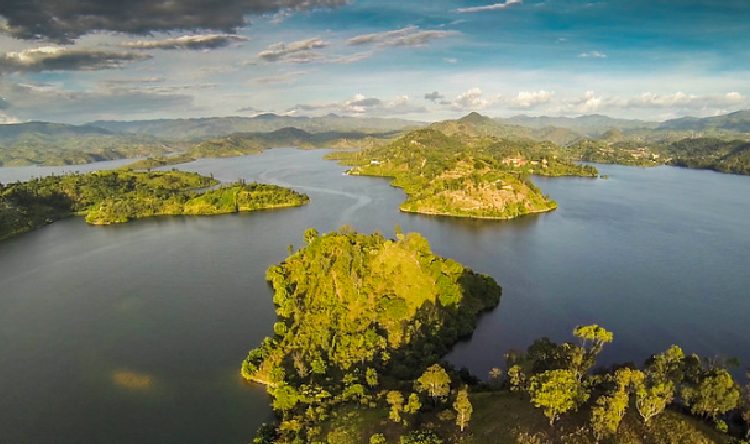
While Genocide Memorial Sites are not conservation areas, many are situated within Rwanda’s natural landscapes, where hills, vegetation, and open countryside create quiet, contemplative environments. The presence of trees, gardens, and native plants around memorials is intentional, symbolizing life, renewal, and continuity.
Memorial gardens often feature indigenous plant species selected for cultural symbolism and ecological resilience. These green spaces provide emotional balance, offering visitors moments of calm after engaging with heavy historical material. The natural surroundings contribute to the atmosphere of dignity and reflection rather than serving as attractions themselves.
Environmental stewardship around memorial sites is maintained through regular upkeep, erosion control, and landscaping, ensuring that these spaces remain respectful, accessible, and preserved for future generations.
Activities & Visitor Engagement
Guided Historical Interpretation
The primary activity at Genocide Memorial Sites is guided interpretation. Trained guides—many with backgrounds in history, education, or survivor advocacy—provide factual explanations supported by documented evidence and survivor testimonies. These tours are structured to balance historical accuracy with emotional sensitivity.
Guided visits are particularly important at major memorials where exhibitions cover complex timelines, political context, and international response. Through interpretation, visitors are helped to understand not only what happened, but why it happened and how it was allowed to unfold.
Educational Exhibitions & Archives
Several major memorials include permanent and temporary exhibitions featuring photographs, documents, personal belongings, audio recordings, and video testimonies. These materials are carefully curated to humanize victims and counter genocide denial.
Research archives and documentation centers support academic study, legal reference, and historical preservation. Students, scholars, and international institutions regularly engage with these resources as part of genocide studies, peacebuilding, and human rights research.
Reflection & Commemoration
Personal reflection is a central aspect of visiting Genocide Memorial Sites. Quiet spaces, gardens, and burial areas allow visitors to pause, reflect, and process the experience privately. Acts of remembrance such as laying flowers or observing silence are commonly practiced.
Climate & Seasons
Genocide Memorial Sites are accessible year-round and are not affected by seasonal wildlife patterns or climatic limitations. Rwanda’s mild highland climate allows visits in all months, with temperatures generally remaining comfortable for walking and outdoor reflection.
The annual commemoration period in April holds particular significance. During this time, memorial visits are accompanied by national mourning events, survivor testimonies, and public education programs. While deeply meaningful, this period can be emotionally intense and may not suit all visitors.
Outside commemoration season, memorial sites offer quieter, more contemplative experiences, allowing visitors to engage at their own pace.
Accessibility
Most major Genocide Memorial Sites are accessible via paved roads and are included in national cultural tourism circuits. Urban memorials are easily reached from city centers, while rural sites are typically accessed by private vehicle or organized tour.
Visitor facilities such as information centers, restrooms, and designated pathways are provided at nationally significant memorials. Entry is generally free, reflecting Rwanda’s principle that remembrance and education should remain accessible rather than commercialized.
Accessibility considerations extend beyond logistics to emotional readiness, with visitors encouraged to approach sites with appropriate preparation and respect.
Accommodation
Accommodation near Genocide Memorial Sites varies depending on location. In Kigali, a full range of hotels—from luxury to budget—allows visitors to stay close to major memorials while accessing modern amenities.
In regional areas, accommodation is typically more modest, consisting of guesthouses, small hotels, or community lodges. These stays often provide quieter environments that complement the reflective nature of memorial visits.
Ethical accommodation choices are frequently prioritized, with many travelers opting for locally owned establishments that contribute to community livelihoods and post-genocide economic recovery.
Conservation & National Significance
Genocide Memorial Sites are legally protected as national heritage. Preservation efforts focus on maintaining physical structures, safeguarding human remains, and ensuring historical accuracy in interpretation. Conservation here refers not to wildlife, but to memory, truth, and dignity.
These sites play a critical role in Rwanda’s reconciliation framework. By preserving evidence and openly acknowledging history, memorials support justice processes, survivor recognition, and national unity policies that reject ethnic division.
Internationally, Rwanda’s memorial system is widely regarded as a leading model for post-conflict remembrance, combining education, accountability, and forward-looking reconciliation.
Cultural & Historical Context
The existence of Genocide Memorial Sites is inseparable from Rwanda’s broader historical narrative. They document the consequences of colonial legacies, political manipulation, and systematic dehumanization, while also illustrating the country’s commitment to confronting its past openly.
Culturally, memorials reinforce values of unity, responsibility, and shared humanity. They serve as educational foundations for younger generations who did not witness the genocide, ensuring that memory is transferred through learning rather than inherited silence.
Visitor Facts
Visits to Genocide Memorial Sites are open year-round and typically guided. Photography policies vary and are often restricted in burial areas. Respectful dress and conduct are expected at all times.
Visits are emotionally demanding, and sufficient time should be allocated to avoid rushed engagement. Combining memorial visits with cultural and educational experiences helps contextualize Rwanda’s transformation beyond tragedy.
Interesting Facts
Rwanda has more than 250 recognized genocide memorial sites across the country.
Many memorials are built on original massacre locations to preserve historical truth.
April is nationally dedicated to genocide remembrance and education.
Genocide memorials function as burial grounds, museums, and educational centers simultaneously.
Rwanda’s memorial framework is internationally studied as a model for reconciliation and remembrance.