


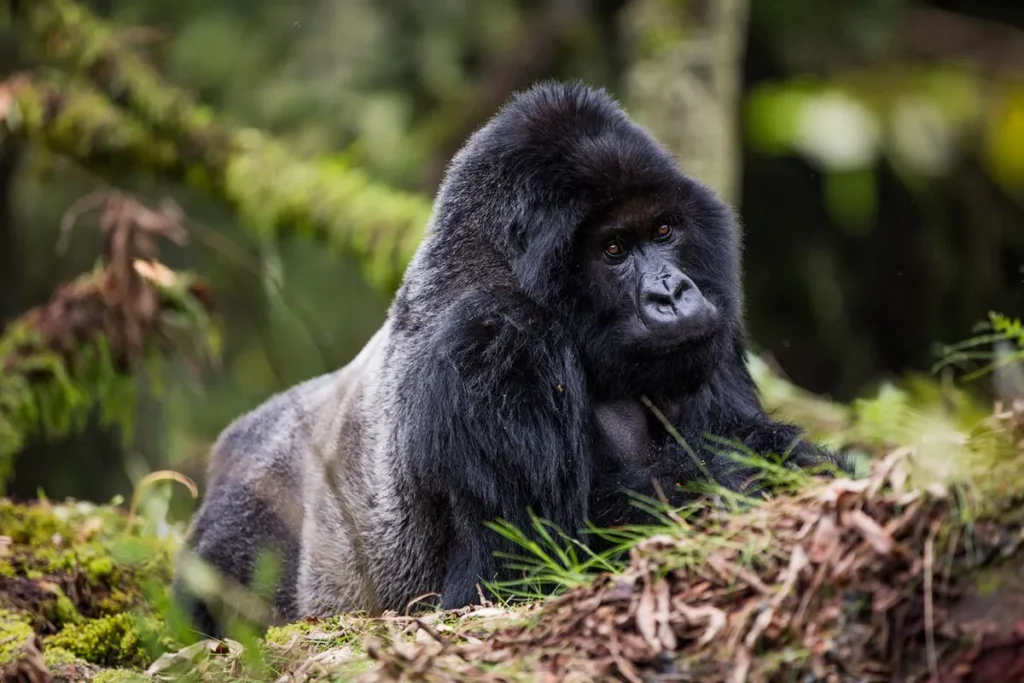
Volcanoes gorillas tours stand among the most meaningful wildlife experiences on the African continent, combining rare primate encounters with disciplined conservation management and refined travel logistics. Set in the high-altitude rainforests of northern Rwanda, these tours offer structured, low-impact access to the endangered mountain gorillas while preserving the ecological integrity of their habitat. Unlike mass tourism models, Volcanoes gorillas tours operate under strict conservation frameworks, ensuring that every visitor encounter contributes directly to long-term species survival and community development.
The appeal of Volcanoes gorillas tours extends far beyond the moment of seeing gorillas. The experience unfolds through layered landscapes shaped by ancient volcanic activity, cultural narratives rooted in resilience, and a conservation philosophy that places protection before profit. Travelers enter a protected ecosystem where silence, patience, and respect define the journey, and where the presence of humans remains carefully regulated to avoid disruption to wildlife behavior.
As a result, Volcanoes gorillas tours have evolved into a benchmark for responsible wildlife tourism. They attract travelers who value ethical travel, scientific conservation, and immersive learning over spectacle. From arrival to departure, each element of the tour is deliberately designed to balance access with protection, offering a rare opportunity to witness mountain gorillas in conditions that prioritize their welfare above all else.
Understanding the Setting of Volcanoes Gorillas Tours
The Virunga Landscape and Its Ecological Significance
Volcanoes gorillas tours take place within the Virunga Massif, a transboundary mountain range spanning Rwanda, Uganda, and the Democratic Republic of Congo. This region supports one of the last remaining populations of mountain gorillas on Earth, thriving within a mosaic of bamboo forests, montane rainforest, and afro-alpine vegetation. The altitude ranges between 2,400 and 4,500 meters, creating a cool, moist climate that sustains diverse plant and animal life.
The volcanic soils of the region contribute to dense vegetation growth, which in turn supports the herbivorous diet of mountain gorillas. These fertile conditions allow gorilla families to remain within relatively compact home ranges, making regulated trekking possible without forcing animals into unnatural movement patterns. Volcanoes gorillas tours benefit directly from this ecological balance, as gorilla sightings remain reliable while minimizing environmental stress.
Volcanoes National Park as the Core Destination
At the center of Volcanoes gorillas tours lies Volcanoes National Park, Rwanda’s flagship conservation area and one of Africa’s most intensively protected national parks. Established to safeguard the Rwandan portion of the Virunga Mountains, the park has become synonymous with mountain gorilla conservation and scientific research.
The park’s compact size contrasts with its global importance. Despite covering a relatively small geographic area, it supports critical biodiversity and hosts a majority of Rwanda’s mountain gorilla families. The controlled nature of Volcanoes gorillas tours within this park allows authorities to monitor gorilla health, track population changes, and respond rapidly to threats such as disease or habitat pressure.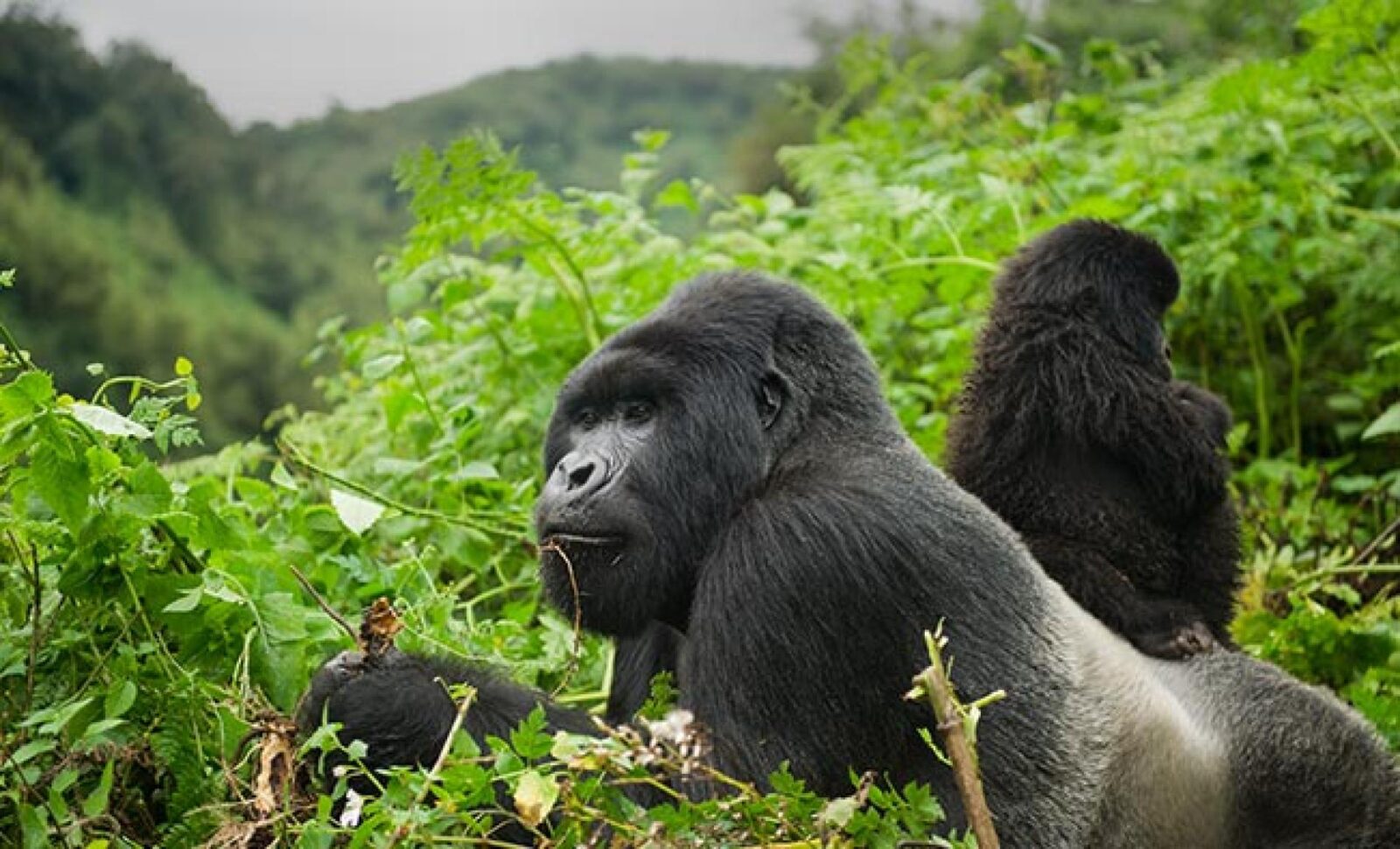

The Mountain Gorillas of Volcanoes National Park
Species Overview and Conservation Status
The mountain gorillas encountered during Volcanoes gorillas tours belong to the subspecies Gorilla beringei beringei, one of the most endangered primates worldwide. Confined to high-altitude forests, these gorillas face inherent vulnerability due to limited geographic range and slow reproductive rates. Conservation success in the Virunga region has stabilized and gradually increased their population, but their survival remains dependent on sustained protection.
Volcanoes gorillas tours play a measurable role in this success. Permit revenue funds veterinary interventions, ranger patrols, habitat restoration, and community benefit programs. Each visitor contributes directly to conservation financing, making tourism a functional tool rather than a threat.
Gorilla Family Structure and Behavior
During Volcanoes gorillas tours, visitors observe gorilla families organized around a dominant silverback male. This structure ensures group stability, coordinated movement, and protection against external threats. Females nurture offspring over extended periods, while juveniles engage in play that reinforces social bonds and motor development.
Gorillas in Volcanoes National Park have undergone a long habituation process, allowing them to tolerate limited human presence without altering natural behavior. This habituation does not equate to domestication. Guides enforce strict viewing rules to maintain a respectful distance, limit visit duration, and prevent disease transmission. The result is an encounter that feels intimate yet remains ethically sound.
The Gorilla Trekking Experience Explained
Preparation and Briefing Procedures
Volcanoes gorillas tours begin with structured morning briefings led by park authorities and professional guides. These sessions cover safety protocols, gorilla behavior expectations, and conservation guidelines. Visitors receive assignments to specific gorilla families based on fitness level and trekking conditions, ensuring balanced distribution of impact across the park.
This preparatory phase sets the tone for the experience. Emphasis is placed on silence, controlled movement, and adherence to guide instructions. Volcanoes gorillas tours rely on visitor cooperation to maintain the integrity of the encounter and the safety of both humans and gorillas.
Trekking Through the Forest
The trekking component of Volcanoes gorillas tours varies in duration and difficulty. Some gorilla families range near park boundaries, while others inhabit deeper forest zones requiring extended hikes over steep terrain. The physical challenge is integral to the experience, reinforcing the sense of entering a wild, unmodified environment.
Guides and trackers move ahead to locate gorilla groups, communicating with the trekking team to ensure efficient routes. This coordination reduces unnecessary disturbance and limits time spent searching. Once contact is made, visitors approach gradually, allowing gorillas to remain calm and undisturbed.
The Gorilla Encounter
The hour spent with a gorilla family represents the culmination of Volcanoes gorillas tours. During this period, visitors observe feeding, grooming, play, and social interaction at close range. Photography is permitted under controlled conditions, with flash strictly prohibited.
This encounter often leaves a lasting impression due to its emotional depth. Observing gorillas within arm’s length fosters a sense of kinship and responsibility that extends beyond the tour itself. Volcanoes gorillas tours thus function as both wildlife experiences and conservation education platforms.
Permits and Regulations Governing Volcanoes Gorillas Tours
Gorilla Permit Structure and Allocation
Access to Volcanoes gorillas tours is regulated through a permit system managed by Rwanda’s conservation authorities. Permits limit the number of daily visitors, ensuring that gorilla families are not overwhelmed by human presence. Each permit grants access to one gorilla family for a maximum of one hour.
The permit fee reflects the true cost of conservation. Funds support park operations, veterinary care, ranger salaries, and community development initiatives. Volcanoes gorillas tours depend on this system to sustain long-term protection efforts.
Health and Safety Regulations
Strict health protocols govern Volcanoes gorillas tours to prevent disease transmission. Visitors showing symptoms of illness may be denied access, and minimum distance rules are enforced at all times. These measures protect gorillas, whose immune systems are highly susceptible to human pathogens.
Safety guidelines also address terrain risks and wildlife behavior. Guides receive extensive training in risk management, ensuring that Volcanoes gorillas tours operate within controlled and predictable parameters despite the wild setting.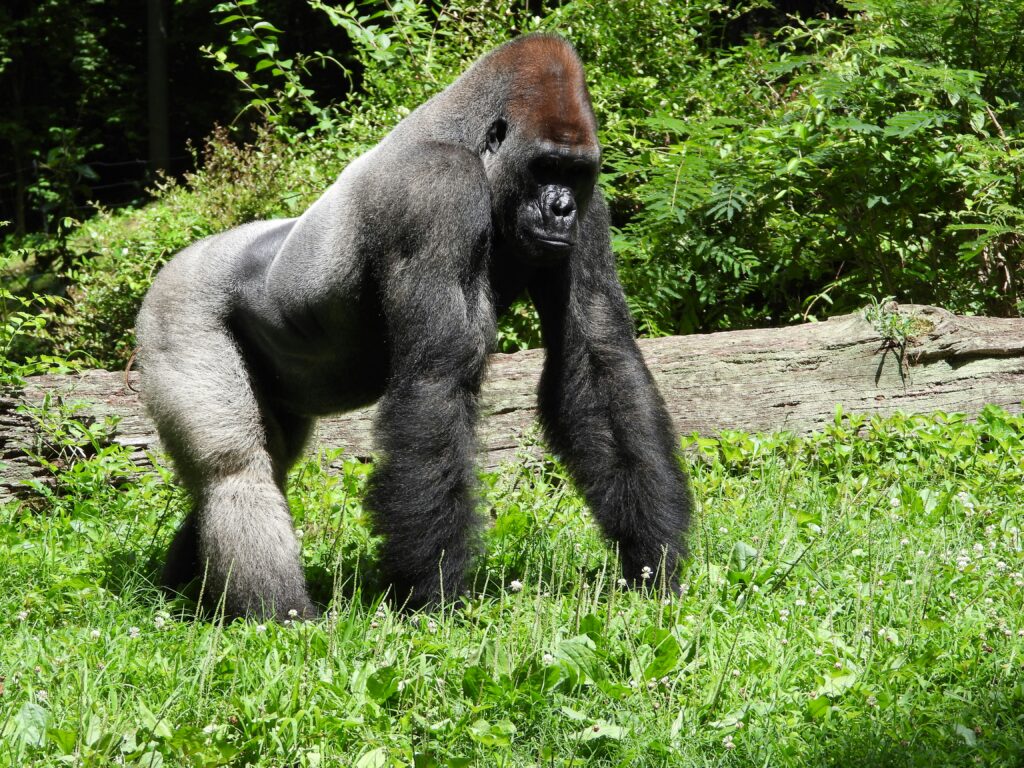

Best Time to Experience Volcanoes Gorillas Tours
Seasonal Climate Patterns
Volcanoes gorillas tours operate year-round, but seasonal variations influence trekking conditions. The dry seasons, typically from June to September and December to February, offer firmer trails and easier hiking. These periods attract higher visitor numbers due to favorable conditions.
The wet seasons, from March to May and October to November, bring heavier rainfall and more challenging terrain. However, vegetation becomes lush, and visitor numbers decrease, resulting in quieter experiences. Gorilla sightings remain consistent regardless of season, as gorillas do not migrate.
Choosing the Right Season Based on Travel Goals
Selecting the ideal time for Volcanoes gorillas tours depends on individual priorities. Travelers seeking physical ease and predictable weather may favor dry months, while those valuing solitude and atmospheric landscapes may prefer the wet season. Conservation impact remains consistent across seasons, as permit revenue supports year-round operations.
Accommodation Options Supporting Volcanoes Gorillas Tours
Luxury Lodges and High-End Experiences
Luxury accommodations near Volcanoes National Park complement Volcanoes gorillas tours by offering comfort without compromising sustainability. These lodges emphasize low-impact design, local sourcing, and community employment. Guests benefit from personalized service, guided cultural experiences, and panoramic views of the Virunga volcanoes.
Mid-Range and Community-Based Lodges
Mid-range lodges provide accessible comfort for travelers seeking balanced value. Many partner directly with local communities, reinvesting profits into education, healthcare, and infrastructure projects. Volcanoes gorillas tours supported by such accommodations enhance the social sustainability of tourism in the region.
Cultural and Community Dimensions of Volcanoes Gorillas Tours
Local Communities and Conservation Partnerships
Communities surrounding Volcanoes National Park play a vital role in the success of Volcanoes gorillas tours. Revenue-sharing programs allocate a portion of tourism income to local development projects, fostering positive attitudes toward conservation.
Former poachers have transitioned into park rangers, guides, and porters, demonstrating the transformative power of tourism-based livelihoods. Volcanoes gorillas tours thus function as catalysts for social stability and environmental stewardship.
Cultural Experiences Complementing Gorilla Trekking
Beyond trekking, Volcanoes gorillas tours often incorporate cultural interactions such as village visits, traditional music performances, and storytelling sessions. These experiences contextualize conservation within Rwanda’s broader cultural narrative, enriching the overall journey.
Conservation Impact of Volcanoes Gorillas Tours
Funding Protection and Research
Volcanoes gorillas tours generate substantial funding for conservation initiatives. Veterinary teams monitor gorilla health, respond to injuries, and conduct disease surveillance. Research programs track population dynamics, behavior patterns, and habitat use, informing adaptive management strategies.
Long-Term Sustainability and Global Significance
The success of Volcanoes gorillas tours has positioned Rwanda as a global leader in conservation tourism. The model demonstrates that controlled access, high-value permits, and community integration can protect endangered species while supporting economic growth. This approach continues to influence conservation strategies worldwide.
Planning Volcanoes Gorillas Tours as Part of a Broader Itinerary
Combining Gorilla Trekking with Other Experiences
Volcanoes gorillas tours integrate seamlessly with other Rwandan attractions, including cultural heritage sites, lakeside retreats, and savannah wildlife areas. Combining experiences allows travelers to appreciate Rwanda’s ecological diversity while maximizing the educational value of their journey.
Logistics and Travel Flow
Efficient road networks and professional tour operators ensure smooth logistics for Volcanoes gorillas tours. Transfers from Kigali to the park are well-coordinated, minimizing travel fatigue and allowing visitors to focus on the experience itself.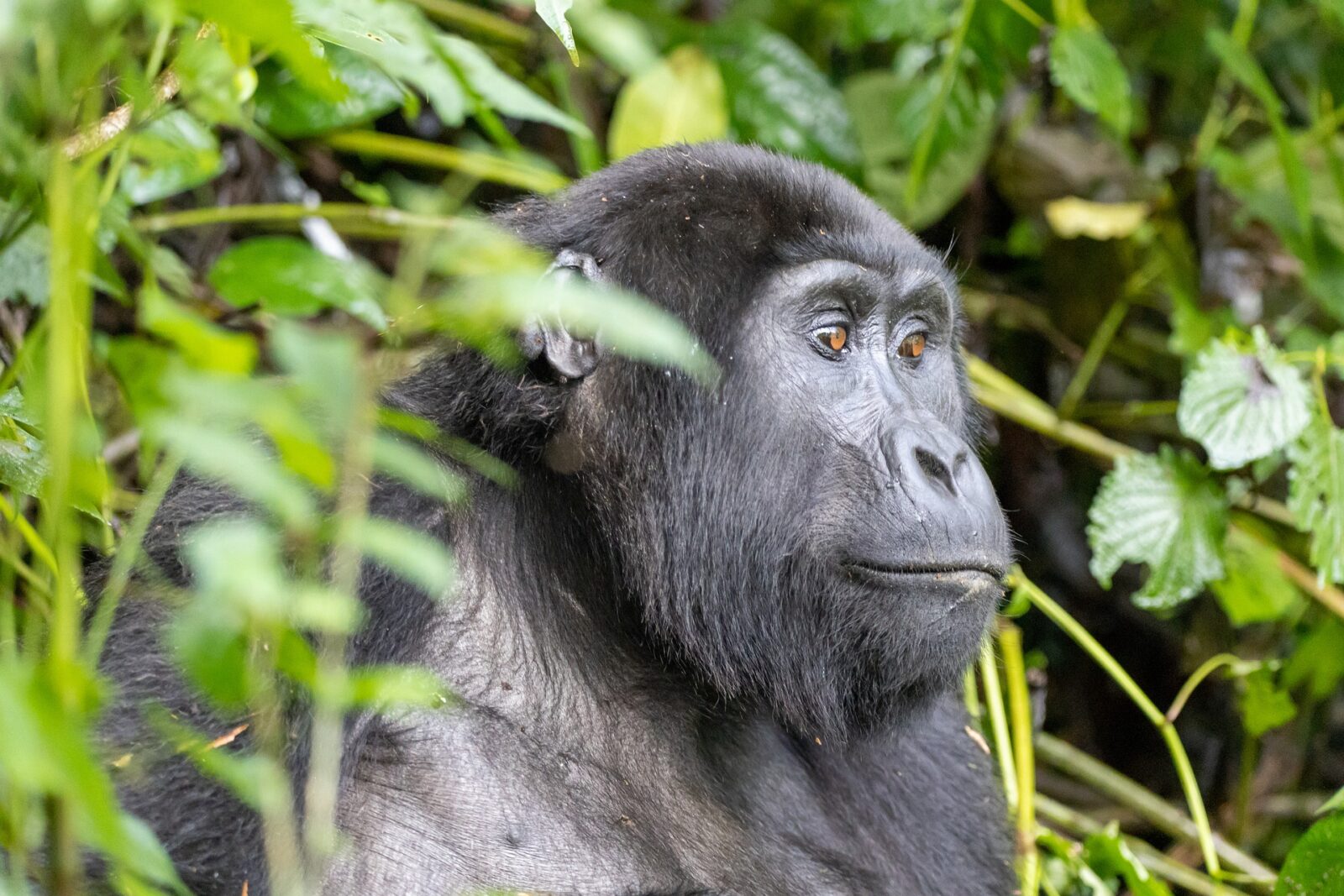

Who Should Consider Volcanoes Gorillas Tours
Volcanoes gorillas tours appeal to travelers seeking meaningful, conservation-driven experiences. Wildlife enthusiasts, researchers, photographers, and responsible travelers find value in the depth and structure of the tour. Physical readiness is required due to trekking conditions, but fitness levels can be accommodated through careful planning.
Ethical Considerations and Responsible Travel
Ethical conduct underpins Volcanoes gorillas tours. Visitors are expected to respect wildlife, follow regulations, and engage with local communities responsibly. This shared commitment ensures that tourism remains a force for good rather than exploitation.
Future Outlook for Volcanoes Gorillas Tours
The future of Volcanoes gorillas tours depends on sustained conservation investment, climate resilience strategies, and adaptive management. Continued collaboration between government authorities, communities, and travelers will determine the long-term success of this model.
As global awareness of ethical travel grows, Volcanoes gorillas tours are likely to remain a flagship example of how tourism can protect biodiversity while enriching human understanding.
Plan Your Stay with Volcanoes Gorillas Tours
Planning Volcanoes gorillas tours requires thoughtful preparation, from securing permits to selecting suitable accommodations. With careful planning and responsible participation, travelers contribute directly to one of the world’s most important conservation efforts while experiencing a rare and transformative wildlife encounter.