Facts
General Facts
Name: Gishwati–Mukura National Park
Established: 2015
Country: Rwanda
Region: Western Rwanda, along the Congo–Nile Divide
Area: Approximately 34 square kilometers (combined Gishwati and Mukura forests)
Altitude Range: Roughly 2,000 to 2,900 meters above sea level
Type: Montane rainforest ecosystem with ongoing forest restoration
UNESCO Status: Part of a globally significant Albertine Rift biodiversity landscape
Management: Co-managed by Rwanda Development Board (RDB) and conservation partners specializing in forest rehabilitation and community engagement
Geography & Hydrology
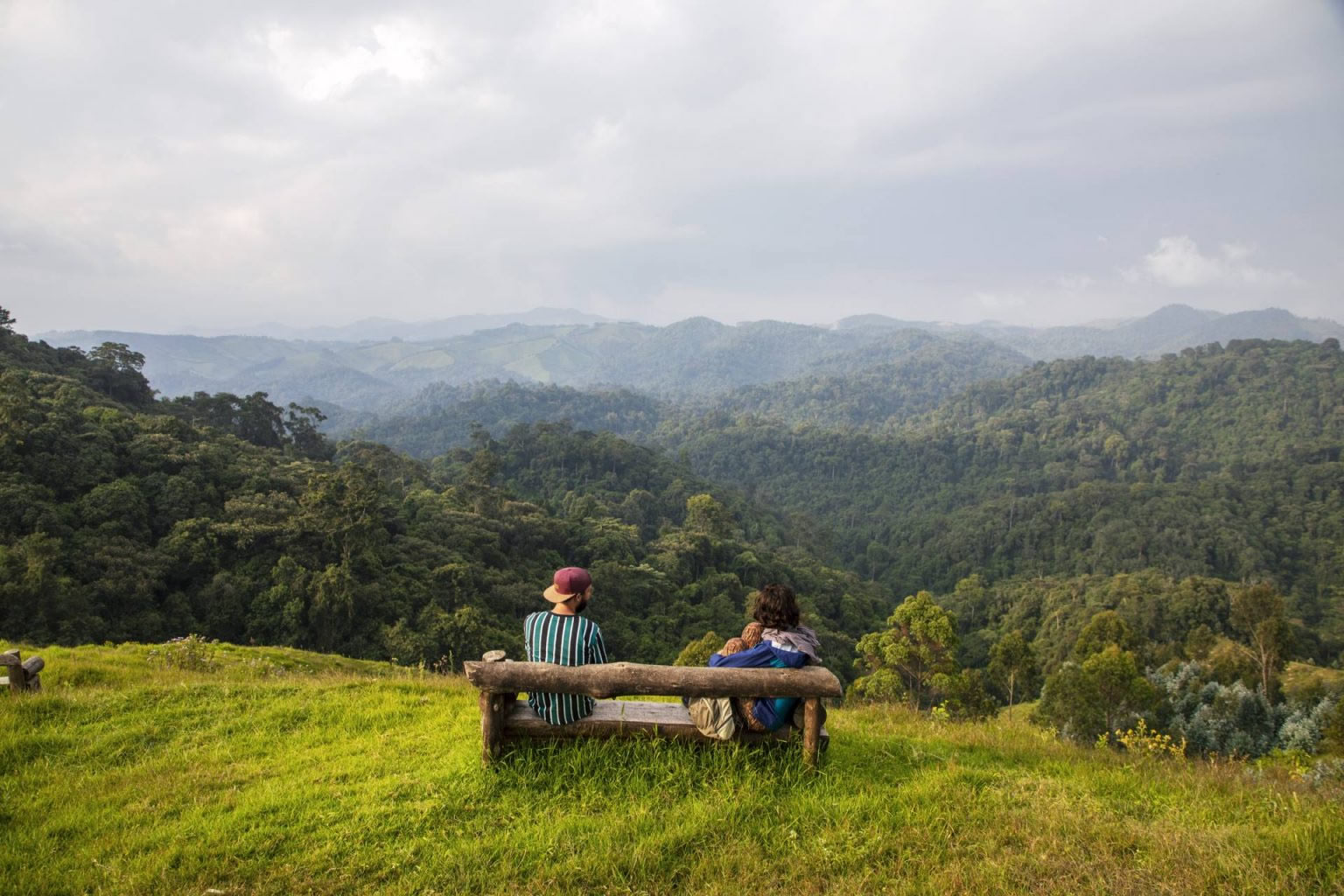
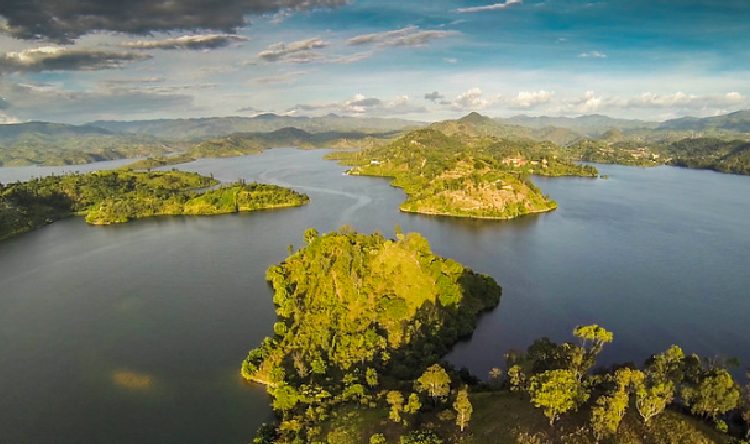
Gishwati–Mukura National Park is formed by two distinct but ecologically linked rainforests positioned along the Congo–Nile Divide. These high-altitude forests sit on steep slopes and ridge systems that shape a dramatic landscape of valleys, streams, cloud-covered hills, and rich vegetation layered with mosses, vines, and indigenous hardwood trees. The region receives abundant rainfall and acts as a crucial watershed for western Rwanda, feeding major river systems such as the Sebeya and Pfunda rivers. These rivers support agriculture, drinking water supplies, and local hydropower stations that depend on the forest’s health for steady flow and reduced erosion.
The forest’s hydrological value is vital, as restored vegetation stabilizes soils prone to landslides in steep, highland terrain. The shading provided by dense canopies cools streams and protects aquatic habitats. These ecological processes make the forest a natural regulator of water cycles in western Rwanda, providing benefits that extend far beyond the park’s boundaries.
Biodiversity & Wildlife
Gishwati–Mukura is home to an impressive collection of forest species, with primates being among the most significant. The park shelters a recovering population of chimpanzees that move through Gishwati Forest in small family groups. Their behavior, communication, and canopy movements represent one of the most memorable wildlife encounters in Rwanda. The forest also hosts golden monkeys, blue monkeys, L’Hoest’s monkeys, and black-and-white colobus monkeys, species that rely on undisturbed habitat and contribute to forest regeneration through seed dispersal.
Birdlife flourishes in this montane environment. More than two hundred species, including many Albertine Rift endemics, thrive within the forest canopy and understory. Visitors encounter rare species that depend on the high-altitude rainforest environment, making the park a hidden treasure for serious birdwatchers. These birds play essential roles in pollination, seed distribution, and insect regulation.
Other wildlife includes small mammals such as serval cats, jackals, genets, and several forest antelopes. Reptiles, amphibians, and diverse butterfly species occupy the moist microhabitats. The forest’s biodiversity reflects a healthy, regenerating ecosystem where wildlife slowly expands as forest restoration increases habitat availability.
Activities & Attractions
Visitors to Gishwati–Mukura enjoy deeply immersive experiences shaped by the forest’s tranquility and ecological richness. Guided forest walks lead guests through dense vegetation and into areas where wildlife movements and bird calls reveal the vibrancy of life within the canopy. These nature walks focus on ecology, plant identification, primate behavior, and forest restoration efforts.
Chimpanzee tracking is among the most compelling experiences. Although the chimpanzee groups are still undergoing habituation, sightings and auditory encounters are possible. Tracking these primates offers emotional and educational insight into the complex relationship between forest conservation and species recovery.
Birdwatching is exceptional, with opportunities to observe rare and endemic species that thrive only in high-altitude rainforests. The quiet, low-traffic nature of the park enhances this experience, providing visitors with intimate moments in nature.
Cultural experiences introduce visitors to communities living near the forest. These communities share their traditional practices, medicinal plant knowledge, and stories of coexistence with the forest. Local cooperatives offer handicraft demonstrations, dance performances, and insight into how conservation benefits local livelihoods.
Reforestation sites give visitors a chance to witness ongoing forest restoration, offering tangible examples of how degraded land is being rehabilitated into thriving habitat.
Climate & Seasons
The park experiences a cool, moist montane climate due to its high elevation. Temperatures range between 10°C and 20°C throughout the year, with mornings and evenings often feeling cold. Mist frequently covers the forest canopy, creating a serene and atmospheric setting.
The rainy seasons occur from March to May and October to November, bringing heavier precipitation and increased forest vibrancy. During these months, the forest appears lush, streams swell, and animal behavior shifts with changing weather patterns. Trails may become challenging due to mud and slippery terrain.
Dry seasons, from June to September and December to February, offer more predictable forest conditions for tracking experiences and nature walks. Wildlife activity remains consistent due to the forest’s year-round vegetation, making both dry and wet seasons rewarding for visitors.
Accessibility
Gishwati–Mukura National Park is located approximately three to four hours from Kigali via scenic roads that pass through rolling hills, terraced farms, and local communities. Road improvements have made the park increasingly accessible, although some stretches still reflect the rugged nature of Rwanda’s highland terrain.
The easiest access point is near the Gishwati section, where visitor reception areas, ranger posts, and activity starting points are located. Four-wheel drive vehicles are recommended, particularly during the rainy season when road surfaces can soften. Travelers arriving from Rubavu or Musanze enjoy particularly scenic routes that highlight the beauty of Rwanda’s western escarpment.
Accommodation
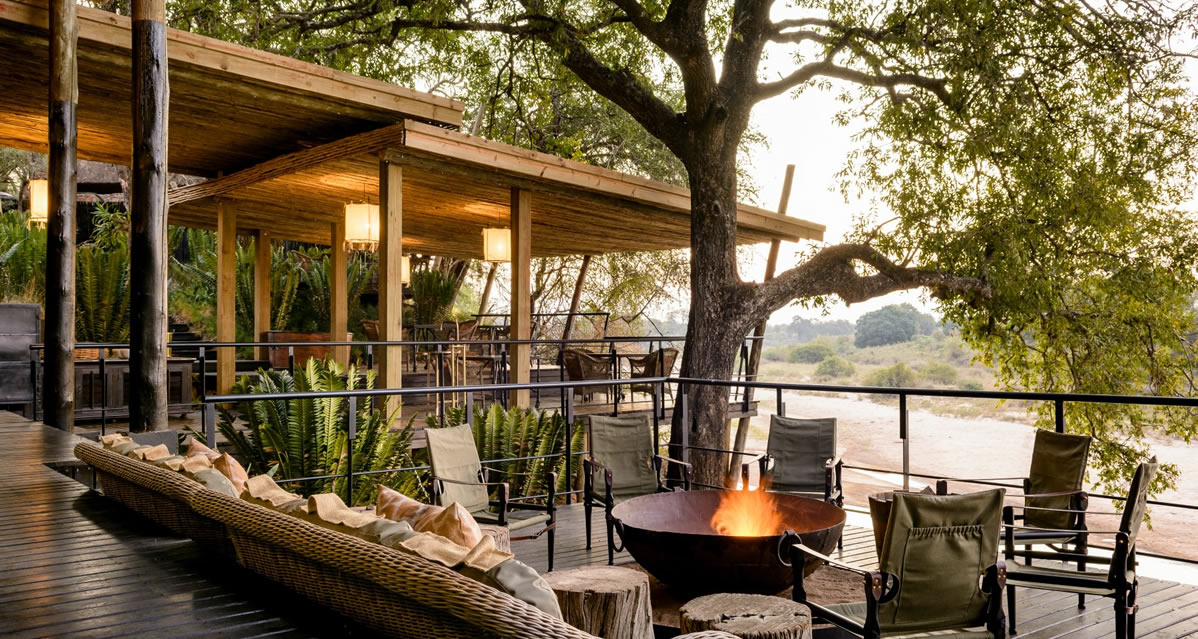
Gishwati–Mukura National Park offers a growing selection of accommodations categorized into Luxury, Mid-Range, and Budget options.
Luxury Lodges
Gishwati Lodge
Lake Kivu Boutique Lodges (high-end options overlooking the lake)
Mid-Range Lodges
Guest eco-lodges near the Gishwati buffer zone
Comfortable forest-view retreat lodges in nearby Rutsiro and Rubavu
Budget Options
Community guesthouses operated by local cooperatives
Simple homestay-style accommodations near the forest edge
Basic eco-campsites maintained for budget travelers
Each lodging option provides unique levels of comfort, cultural immersion, and convenience for accessing forest-based activities.
Conservation Importance
Gishwati–Mukura represents one of Rwanda’s most significant conservation victories. Once almost entirely destroyed by deforestation, livestock grazing, and agricultural expansion, the remaining forests were at risk of disappearing. Through government and community collaboration, the forest has been revived through large-scale reforestation, strict protection measures, scientific monitoring, and sustainable community development.
These efforts have stabilized soils, restored crucial water catchments, revived chimpanzee and primate populations, and regenerated indigenous plant life. The park now functions as a living laboratory for forest restoration, with global interest in its recovery model.
Local communities benefit from conservation-based employment, revenue-sharing programs, beekeeping initiatives, agroforestry support, and eco-tourism partnerships. The park’s survival demonstrates how ecological restoration can align with human prosperity.
Cultural & Historical Context
For generations, communities around Gishwati and Mukura forests have held deep cultural ties to the landscape. The forests supplied medicinal plants, spiritual refuge, and important ecological knowledge that shaped local identity. When degradation drastically reduced forest cover, communities suffered environmental consequences including soil loss, reduced water availability, and declining agricultural productivity.
The establishment of the national park restored both nature and cultural heritage. Community involvement in tourism, conservation, and sustainable resource use has rebuilt a harmonious connection between people and the forest. Visitors gain insight into these traditions through cultural interactions, storytelling, dance, and agricultural demonstrations.
Visitor Facts
All visits to Gishwati–Mukura require guided experiences, ensuring wildlife protection and visitor safety. Guided forest walks, chimpanzee tracking, and birdwatching should be arranged in advance. Photography is permitted, though professional filming may require special permission.
The park is open year-round, with early morning and late afternoon offering the most rewarding wildlife and bird activity. Trail conditions vary depending on the season, and visitors should prepare with proper footwear and weather-appropriate clothing.
Interesting Facts
Gishwati–Mukura is Rwanda’s newest national park and one of Africa’s strongest forest restoration success stories.
The park protects two of the last remaining high-altitude forests of the Congo–Nile Divide.
Its chimpanzee population is recovering after decades of habitat loss.
The forest plays a critical role in regulating water flow for western Rwanda’s rivers.
It forms part of a wider ecological corridor that historically connected to Nyungwe Forest.