Kigali City

Kigali City

Kigali City has long been admired as one of Africa’s cleanest, safest, and most forward-thinking capitals, a destination where modern elegance merges naturally with deep cultural identity and the gentle rhythm of Rwanda’s rolling hills. Its reputation has grown steadily over the past decades, transforming from a quiet administrative center into a dynamic urban landscape filled with innovation hubs, cultural institutions, architectural landmarks, and welcoming communities. Kigali is not only the beating heart of Rwanda but also the gateway through which the country’s stories, resilience, progress, and hospitality are most clearly experienced. The city rises and falls across a succession of green ridges and valleys, creating a panoramic beauty that grants it character even before its people, attractions, and heritage unfold.

As the capital, Kigali functions as Rwanda’s political, economic, and cultural core. It is the home of government institutions, thriving businesses, international organizations, and community-led initiatives that reflect the country’s remarkable transformation in governance, infrastructure, and social development. Many travellers arriving in Rwanda are often struck by how refined and orderly the city feels, with its clean streets, manicured gardens, well-regulated traffic, and a general sense of calm that contrasts sharply with common assumptions about African capitals. Kigali’s cleanliness is not simply a convenience; it is a cultural and national value rooted in community responsibility and pride, making the city feel welcoming from the moment one arrives.

Kigali has become a central destination in East African travel itineraries, not only because it offers easy access to iconic attractions such as Volcanoes National Park and Akagera National Park but also because the city itself contains experiences worthy of extended exploration. Its museums and memorials provide insight into Rwanda’s history and resilience, while its markets and cafés reveal the creativity and warmth of its people. Visitors often find themselves lingering in Kigali longer than originally planned, drawn into the soft charm of its hills, the sophistication of its hospitality, and the rich cultural landscape that unfolds with every interaction. Kigali is more than a transit point; it is a destination that speaks to both the present and the future of Rwanda.

kigali city

Facts

General Facts

Name: Kigali City
Established: Became the capital of Rwanda in 1962
Country: Rwanda
Region: Central Rwanda, spanning multiple rolling hills and valleys
Area: Approximately 730 square kilometers
Altitude Range: Roughly 1,300 to 1,850 meters above sea level
Type: Urban center with modern infrastructure, cultural landmarks, and green urban landscapes
UNESCO Status: Not designated, but home to heritage institutions and cultural conservation hubs
Management: Governed by the City of Kigali Authority in coordination with district administrations of Gasabo, Kicukiro, and Nyarugenge

Geography & Urban Landscape

Kigali City occupies the central highlands of Rwanda, nestled among a series of gently rising hills, ridges, and deeply carved valleys that define the country’s geographical identity. The landscape is shaped by volcanic soils, terraced slopes, and green vegetation that remains lush throughout the year. This varied topography results in panoramic viewpoints across almost every district, giving Kigali its signature blend of urban development and natural beauty.

The city’s elevation contributes to a temperate climate, making it one of Africa’s most comfortable capitals to explore. Kigali’s geography supports a rare harmony between nature and urbanization, with carefully planned neighborhoods, landscaped roadways, and green public spaces complementing the city’s infrastructure.

Kigali also functions as a watershed for central Rwanda, feeding several tributaries and seasonal streams that drain into the Nyabarongo River system. These water channels support agriculture, local wetlands, and urban greenery, while also helping regulate temperatures and humidity. Sustainable city planning, including erosion control, waste management, and environmental protection zones, ensures that Kigali’s hydrological systems remain stable within an expanding metropolitan region.

Cultural Landscape & Social Identity

Kigali City embodies Rwanda’s cultural heartbeat, representing a mosaic of traditions, modern innovation, and shared national values. Its population is characterized by diversity in profession, ethnicity, and artistry, but unified by a collective emphasis on cleanliness, safety, and community participation. Monthly Umuganda (community work day) reflects Kigali’s social identity, where residents jointly maintain public spaces, roadsides, gardens, and neighborhoods.

The cultural landscape is enriched through art galleries, cultural centers, theatres, memorials, and creative hubs that preserve and express Rwanda’s heritage. Kigali is a city where ancestral customs coexist with modern design, technology, and contemporary cultural expression. This balance gives Kigali a distinctive personality—future-focused yet deeply rooted in national memory and cultural pride.

Biodiversity & Urban Wildlife

Although Kigali is a bustling urban center, pockets of biodiversity continue to thrive within and around the city. Protected green belts, wetlands, gardens, and tree-lined avenues support a surprising level of plant and animal life. Wetland areas such as the Kigali Wetlands Complex host bird species including herons, kingfishers, egrets, ibises, and various migratory visitors.

Urban forests, private gardens, and natural reserves surrounding the city shelter smaller mammals such as civets, mongoose species, bats, and various rodents. Reptiles including chameleons, geckos, and harmless snakes live in vegetated areas. Kigali’s biodiversity reflects the country’s national focus on environmental conservation even within expanding urban spaces.

The city’s preserved wetlands serve ecological functions including water purification, flood mitigation, and climate regulation. Native grasses, papyrus stands, and aquatic plants stabilize soil and provide habitat for local wildlife. These ecosystems are rare in African capitals, making Kigali a model for green urban planning.

Activities & Attractions

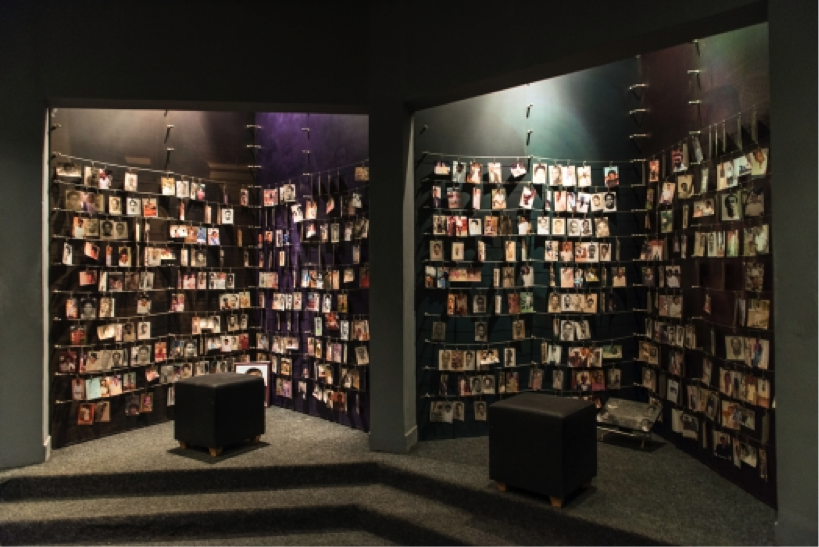
Kigali offers a rich variety of attractions that blend education, history, culture, cuisine, and scenic exploration. The Kigali Genocide Memorial stands among the most important landmarks, offering visitors a moving and comprehensive understanding of Rwanda’s 1994 Genocide against the Tutsi. Through exhibitions, archival materials, and tranquil landscapes, the site provides powerful insight into Rwanda’s reconciliation and unity.

Art and cultural centers such as Inema Arts Center, Niyo Arts Gallery, and Kigali Cultural Village introduce visitors to the country’s creative spirit. These spaces host exhibitions, performances, community outreach programs, and workshops that highlight contemporary Rwandan artistry. The increasing global recognition of Rwandan art has elevated Kigali’s status as a cultural capital in East Africa.

Kigali’s markets provide vibrant experiences of daily life. Kimironko Market is known for its colorful stalls of fabrics, food, and handmade crafts. Nyamirambo, one of Kigali’s oldest neighborhoods, offers walking tours filled with street culture, local cuisine, and storytelling traditions that reflect the city’s multicultural flavor.

For scenic enjoyment, Mount Kigali provides hiking trails, horse-riding opportunities, and relaxation spots overlooking the city’s hills. Cafés and restaurants in districts like Kiyovu, Kimihurura, and Nyarutarama offer culinary journeys through Rwandan produce, specialty coffees, and international dishes. Kigali’s nightlife, though modest, includes lounges, music venues, and cultural nights where traditional dance and drumming performances animate the city after sunset.

Climate & Seasons

Kigali’s climate is defined by its mid-elevation tropical highland environment, which ensures mild temperatures and consistent weather patterns throughout the year. Average temperatures range between 20°C and 28°C during the day, with cooler evenings that encourage comfortable movement and outdoor activities.

The city experiences two primary rainy seasons, from March to May and from October to November. During these months, showers nourish vegetation, fill wetlands, and renew the landscapes, giving Kigali a vibrant green appearance. Rains often fall in brief bursts rather than continuous downpours, allowing sightseeing and city exploration to continue for most of the day.

The dry seasons, between June and September and again from December to February, provide ideal weather for urban exploration and cultural tours. Clear skies make hilltop viewpoints particularly scenic, while warm daylight enhances the experience of markets, walking tours, and outdoor dining.

Kigali’s climate, steady and gentle, contributes to its reputation as one of East Africa’s most comfortable and accessible capitals.

Accessibility

Kigali is one of the easiest African cities to reach thanks to Kigali International Airport, a modern gateway that connects Rwanda with East Africa, Europe, the Middle East, and select international destinations. The airport is located just minutes from major districts, making transfers efficient.

The city’s well-maintained road network enables smooth movement between neighborhoods and to national parks. Roads leading to Volcanoes National Park, Akagera National Park, and Nyungwe Forest National Park begin directly from Kigali, allowing the city to function as the central hub for Rwanda’s safari circuits.

Public transportation includes buses, registered taxis, and ride-hailing services, although most visitors rely on private transfers. Kigali’s reputation for safety, order, and clean urban planning makes moving around straightforward for travellers.

Accommodation

Kigali’s accommodation offerings reflect its growth as a business, cultural, and tourism center. Luxury hotels such as Kigali Serena Hotel, The Retreat by Heaven, and Radisson Blu Hotel & Convention Center cater to travellers seeking comfort, fine dining, spa services, and exceptional hospitality.

Mid-range hotels across Kimihurura, Remera, and Nyarutarama provide stylish, affordable stays with reliable service, making them popular with leisure travellers, digital nomads, and conference attendees. Boutique lodges often incorporate Rwandan design elements, local artwork, and intimate hospitality.

Budget accommodations, community guesthouses, and homestays provide simpler but welcoming environments, appealing to cultural travellers and backpackers. All categories maintain the country’s commitment to cleanliness and customer care.

Conservation Importance

Kigali City plays a central role in Rwanda’s broader conservation agenda. Government ministries, conservation NGOs, and environmental research institutes headquartered in Kigali oversee wildlife protection, tourism development, reforestation programs, and climate initiatives across the country.

Urban conservation efforts include wetland protection, invasive species control, waste-management systems, and strict anti-littering laws. Kigali’s reputation as Africa’s cleanest city is not only aesthetic but ecological, preserving green spaces and reducing pollution.

Community participation remains a cornerstone of conservation in Kigali. Monthly Umuganda mobilizes residents to plant trees, maintain roads, clean neighborhoods, and uphold environmental stewardship—demonstrating Rwanda’s collective approach to sustainability.

Cultural & Historical Context

Kigali’s cultural and historical identity is deeply intertwined with Rwanda’s national story. Before becoming the capital in 1962, Kigali existed as a modest administrative post established during the colonial period. Over time, it expanded into a thriving metropolis reflecting Rwanda’s resilience and forward-looking spirit.

The city holds historic sites related to pre-colonial governance, early trade networks, and post-independence development. However, its most defining historical landmark is the Kigali Genocide Memorial, which honors victims of the 1994 Genocide against the Tutsi and educates visitors on the nation’s journey toward peace and unity.

Kigali’s cultural landscape includes traditions of storytelling, dance, craftsmanship, and communal practices that strengthen social bonds and preserve heritage. Modern art galleries, music studios, and cultural hubs demonstrate Kigali’s emergence as a cultural capital in East Africa.

Visitor Facts

All major attractions in Kigali are accessible year-round, with guided city tours recommended for deeper cultural and historical context. Photography is permitted at most sites except where restricted for privacy or security reasons. Visitors are encouraged to dress respectfully in memorial sites and engage with local customs politely.

Kigali’s safe, organized environment allows visitors to explore both day and night, though guidance from local hosts enhances comfort and navigation. Most major services—including banking, healthcare, and hospitality—operate at high professional standards.

Interesting Facts

Kigali is considered one of Africa’s cleanest and safest capitals, a reputation maintained through community-led cleaning programs.
The city is built across more than 15 major hills, each offering scenic panoramic views.
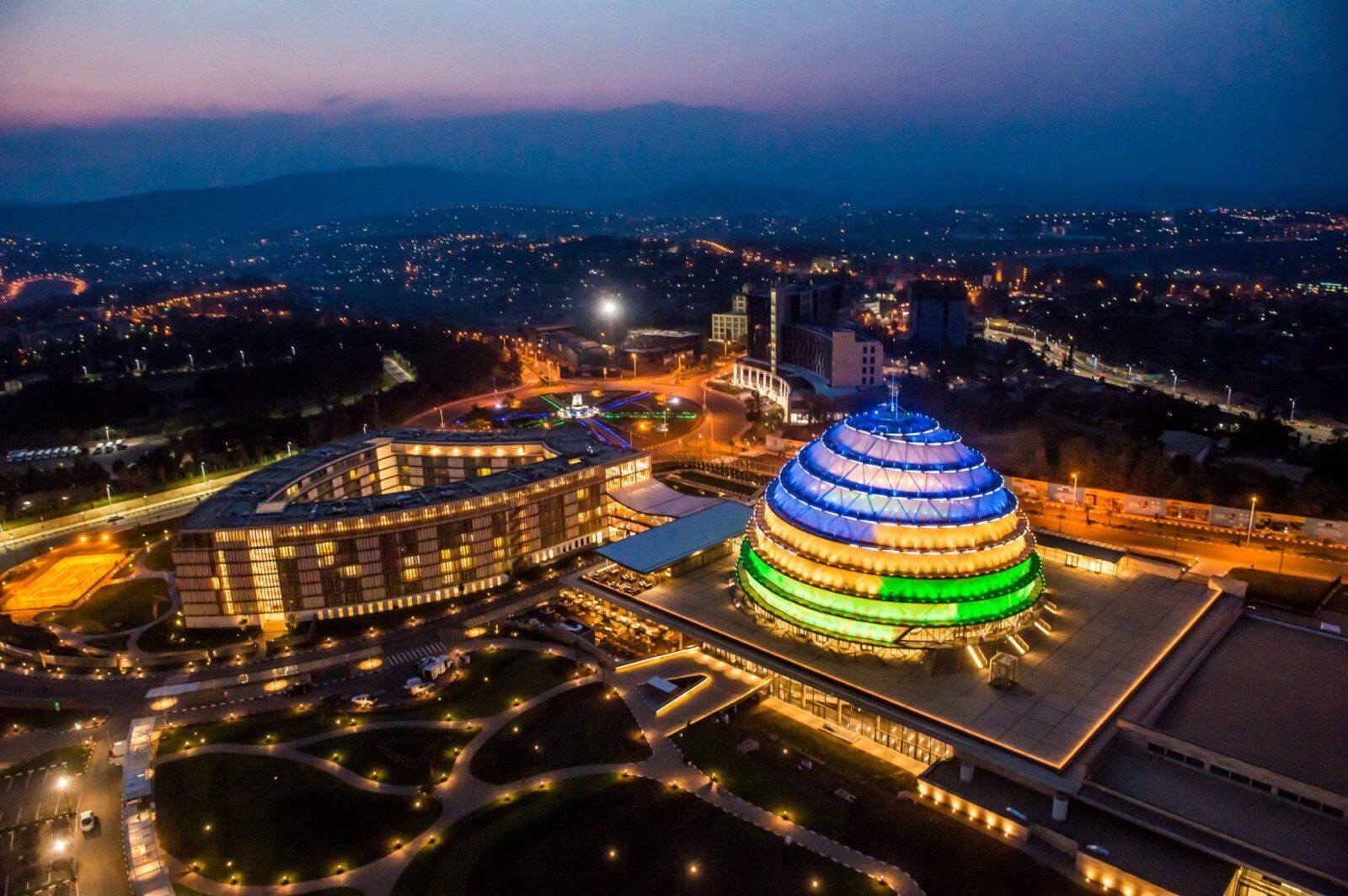
Kigali is home to one of Africa’s largest convention centers, making it a leading hub for international conferences.
The city’s coffee culture is among the most vibrant in East Africa, driven by Rwanda’s specialty coffee farms.
Kigali’s transformation over the past three decades is widely regarded as one of the most successful urban development models in Africa.

Kigali City

Trip Ideas

3 Day Akagera National Park Big Five

Discover Rwanda’s only savannah park on a 3-day Akagera National Park safari.

3-Day Akagera Wildlife Safari and Boat Cruise

Experience Rwanda’s Wildlife safaris in the savannah grasslands of Akagera National Park.

4-Day Wildlife Safari at Akagera National Park

Visit and participate in local community activities

6-Day Rwanda Akagera Safari and Cultural Vacation Tour

Spot the Big Five on thrilling game drives, enjoy a Lake Ihema boat cruise.

Kigali City

At a glance

Kigali’s geographical position in the heart of Rwanda gives it a central role in both national administration and tourism. Positioned almost precisely in the country’s center, the city extends across a region of rolling hills and elevated ridges that define Rwanda’s nickname as the “Land of a Thousand Hills.” This natural topography influences everything from Kigali’s urban layout to its climate, giving the city a moderate temperature year-round and offering scenic views from almost every neighborhood. Its centrality means that Kigali is never more than a few hours from the country’s major destinations—Volcanoes National Park to the north, Akagera National Park to the east, Nyungwe Forest National Park to the south, and Lake Kivu to the west.

Kigali International Airport serves as the main entry point for travellers arriving from destinations across Africa, Europe, the Middle East, and beyond. The airport has undergone significant modernization and expansion, giving it a reputation for efficiency, cleanliness, and high security standards. Upon arrival, visitors find transportation reliable and accessible. Taxis, private transfers, ride-hailing services, and organized tour vehicles are available, allowing smooth movement into the city. Roads leading to and from the airport are well-maintained, and traffic flow is generally orderly, making Kigali one of the easiest African capitals to navigate.

Accessibility within the city is aided by Kigali’s well-planned road network. Asphalted roads, roundabouts, and clear signage contribute to smooth travel between districts such as Nyamirambo, Kimihurura, Remera, and Kiyovu. Public transportation is widely used by residents, though most visitors rely on taxis or private tour vehicles for convenience. Kigali’s central location also enhances its role in Rwanda’s tourism circuits. Travellers heading to Volcanoes National Park for gorilla trekking typically depart from Kigali early in the morning, and many use the city as a lodge base before or after safaris in other parts of the country.

The accessibility of Kigali is further enhanced by its urban planning ethos, which emphasizes safety, cleanliness, and efficiency. Pedestrian walkways, landscaped roundabouts, and designated bus stations contribute to an environment where movement feels safe and comfortable. Whether travelling for business, leisure, conference tourism, or cultural exploration, Kigali’s accessibility stands out as one of its most defining strengths.

Although Kigali is not a wildlife destination in the traditional sense, its attractions offer a balanced introduction to Rwanda’s cultural richness and environmental diversity. The city hosts several sites that provide insight into the country’s natural heritage, wildlife conservation efforts, and ecological values. While national parks lie beyond the city limits, Kigali has carved out a role as both a cultural and environmental learning hub.

One of the city’s most significant attractions is the Kigali Genocide Memorial, a place of remembrance and education that preserves the history of the 1994 Genocide against the Tutsi. The memorial presents Rwanda’s journey of healing, reconciliation, and unity through curated exhibits, survivor testimonies, and tranquil gardens designed to honor the memory of victims. It stands as a powerful testament to Rwanda’s resilience and commitment to peace, drawing visitors seeking a deeper understanding of the nation’s past.

Kigali also hosts numerous cultural institutions, including the Kandt House Museum of Natural History, which explores Rwanda’s geological evolution, wildlife diversity, and colonial encounters. Its exhibitions provide an overview of the country’s ecosystems, indigenous species, and scientific discoveries related to the Albertine Rift. The Rwanda Art Museum, located in the former presidential palace, highlights local and international artistic expression, offering a modern perspective on creativity and innovation. In addition, the Kigali Cultural Village and Inema Arts Center showcase contemporary Rwandan art, sculpture, dance, and community-driven cultural programs.

Markets represent another essential facet of Kigali’s attractions. Kimironko Market, one of the largest and most vibrant, offers visitors an immersion into local trade, fresh produce, fabrics, crafts, and community interaction. The market is a living showcase of Rwanda’s agricultural richness and artisanal skill, inviting travellers to experience the city’s daily rhythm in an authentic way. Kigali’s culinary scene also adds to its attractions, with restaurants and cafés presenting a fusion of traditional Rwandan dishes, African flavors, and international cuisine.

Lastly, Kigali’s hills, gardens, and natural green spaces create opportunities for scenic exploration. City viewpoints provide sweeping panoramic scenes, while urban nature trails allow residents and visitors to enjoy fresh air within an urban-green environment. As an entry point to Rwanda’s national parks, Kigali functions as a bridge between urban sophistication and natural wonders, making it an essential component of the nation’s tourism landscape.

A wide range of activities awaits travellers in Kigali, each contributing to an immersive understanding of Rwanda’s culture, history, and modern identity. The experience begins with guided city tours that reveal Kigali’s transformation into one of Africa’s most admired capitals. These tours often include visits to memorials, markets, art centers, and historical sites that provide a structured perspective on Rwanda’s evolution.

Visitors often choose to explore Kigali’s vibrant neighborhoods to experience the city through a local lens. Nyamirambo is one of the liveliest areas, known for its energetic streets, colorful shops, and multicultural influences. Guided walking tours conducted by women-led community groups offer insight into daily life, street food traditions, and the cultural blending that defines this district. The tours typically include visits to local cafés, small businesses, tailors, and homes, creating meaningful interaction between visitors and residents.

Cultural and artistic exploration forms a significant part of Kigali’s activity offerings. Visiting the Inema Arts Center gives travellers the chance to engage with contemporary Rwandan art, watch live dance performances, and learn about creative projects that support youth development and cultural preservation. The Kigali Cultural Village provides an accessible space for artisans, storytellers, and performers to showcase their work. These centers are not just entertainment venues; they are platforms for cultural empowerment and artistic expression, making them deeply rewarding to explore.

Kigali’s culinary experiences further enrich the journey. Restaurants and cafés around Kimihurura, Kiyovu, and Remera serve dishes inspired by local ingredients, international fusion, and farm-to-table practices. Coffee lovers can enjoy Rwanda’s renowned specialty coffee through guided coffee tastings or café visits. Kigali has become a central hub for Rwanda’s coffee culture, reflecting the nation’s agricultural pride.

Adventure-seeking travellers may enjoy visits to Mount Kigali for hiking, horseback riding, or ziplining activities. These outdoor experiences blend scenic views with light physical engagement, offering an excellent break from urban exploration. Evening activities often include live music venues, rooftop lounges, and cultural nights where traditional dance and drumming performances enliven the atmosphere.

For travellers planning extended safaris, Kigali functions as a convenient base for pre- or post-tour activities. Visitors preparing for gorilla trekking, chimpanzee tracking, or wildlife safaris often use Kigali to organize gear, acclimatize, or explore educational centers that deepen their understanding of conservation before entering national parks.

Kigali’s pleasant climate allows for year-round visitation, making it an accessible and comfortable destination throughout the seasons. Its moderate altitude ensures mild temperatures that rarely swing to extremes, giving the city a spring-like feel for much of the year. Nonetheless, certain periods provide distinct advantages depending on traveller preferences and planned activities.

The dry seasons, which occur from June to September and December to February, are often considered the best time to explore Kigali. These periods are characterized by clear skies, less rainfall, and comfortable temperatures ideal for city tours, outdoor dining, cultural events, and scenic photography. Travelers who combine Kigali with gorilla trekking or savannah safaris in Akagera prefer these months due to optimal conditions in the national parks.

The wet seasons, from March to May and October to November, bring more rainfall, which in turn transforms Kigali into a lush, green urban landscape. Although showers can be frequent, they are often short-lived and followed by clear intervals. These months offer quieter travel experiences, lower visitor numbers, and a more relaxed pace in the city. The rains also enhance the natural beauty of Kigali’s hills, creating a soft, misty ambiance that photographers particularly enjoy.

Regardless of timing, Kigali’s weather remains manageable and its infrastructure supports tourism year-round. Most attractions remain accessible even during rainy months, and the city’s hospitality sector operates continuously with consistent quality and comfort.

Kigali’s accommodation landscape reflects its status as a regional hub for business, leisure, and conference tourism. The city offers a diverse range of lodging options—from luxury hotels with international standards to boutique properties and comfortable guesthouses that prioritize personalized service. Each accommodation style contributes to Kigali’s welcoming atmosphere, ensuring guests feel cared for regardless of budget or travel purpose.

Luxury hotels such as the Kigali Serena Hotel and The Retreat by Heaven provide premium amenities including spas, swimming pools, gourmet dining, and world-class customer service. These establishments are consistently chosen by diplomats, international visitors, and travellers seeking elevated comfort. Their central locations in peaceful districts ensure easy access to Kigali’s major attractions.

Mid-range hotels and boutique lodges offer comfort blended with cultural charm. Properties in areas like Kimihurura, Kiyovu, and Nyarutarama deliver stylish décor, excellent cuisine, and professional service while maintaining affordability. Many of these lodges incorporate Rwandan architectural styles, natural materials, and artistic touches that reflect local identity.

Budget-friendly guesthouses and smaller inns provide simplicity, warmth, and value. These accommodations are often family-run or community-supported, offering a homely experience that appeals to cultural travellers, backpackers, and long-stay visitors. Clean rooms, supportive hosts, and access to essential amenities make them ideal for travellers seeking a practical yet welcoming base.

Kigali’s lodging standards are known for cleanliness, safety, and attentive service, reflecting broader national values. Whether seeking luxury indulgence or community-centered simplicity, travellers will find Kigali’s accommodation options harmoniously suited to their needs.

Traveling to Kigali becomes even more enjoyable when approached with an understanding of local customs, cultural expectations, and logistical considerations. Rwanda’s emphasis on cleanliness and environmental stewardship makes Kigali stand out, and visitors quickly notice the importance of respecting public spaces and community norms. Simple practices such as disposing of waste properly, dressing modestly in certain areas, and greeting locals politely contribute to a positive and respectful travel experience.

It is advisable for travellers to carry light layers, as temperatures can shift between warm days and cooler evenings due to Kigali’s altitude. Comfortable walking shoes enhance exploration, especially in hilly neighborhoods and markets. Cashless payment options are widely accepted, though it remains helpful to have small amounts of local currency for markets or community-based experiences.

Visitors preparing for gorilla trekking or wildlife safaris often spend time in Kigali gathering gear, consulting with tour operators, and attending orientation briefings. It is beneficial to plan time for rest before embarking on more physically demanding activities. Kigali’s safe streets also allow for evening strolls, though guidance from local hosts ensures navigation remains comfortable.

Being aware of Rwanda’s cultural values—politeness, unity, and neatness—enhances interactions with residents. Learning a few words of Kinyarwanda, such as “Muraho” for hello or “Murakoze” for thank you, brings smiles and fosters meaningful connection. Overall, travelling with patience, cultural sensitivity, and curiosity elevates the experience of being in Kigali.

Kigali plays an important role in Rwanda’s national conservation efforts, despite not being a wildlife destination itself. The city serves as the headquarters for conservation organizations, research institutions, and environmental agencies that manage the country’s protected areas. Educational centers within Kigali introduce visitors to conservation practices, wildlife management strategies, and community-based tourism that support national parks.

Culturally, Kigali stands as the nation’s central hub for heritage preservation and storytelling. Its memorials, museums, theatres, art studios, and cultural centers host programs that promote understanding of Rwanda’s past, present, and future. The Kigali Genocide Memorial, in particular, represents a solemn yet essential space for reflection, education, and remembrance. It embodies Rwanda’s journey toward unity and resilience, making it one of the most important cultural sites in East Africa.

Kigali’s emphasis on sustainable urban development reinforces its role in environmental preservation. Green initiatives, tree planting programs, and anti-littering campaigns contribute to the city’s ecological health. Community participation in Umuganda, Rwanda’s monthly community service day, demonstrates the nation’s collective commitment to progress and environmental responsibility. Kigali is more than a city; it is a living example of national renewal and shared responsibility.

Kigali City stands as an essential destination for travellers seeking to understand Rwanda’s identity, resilience, and modern vision. It offers an atmosphere of safety, order, and welcoming hospitality that sets the tone for a rewarding journey through the country’s landscapes. Kigali becomes a gateway into Rwanda’s national parks, cultural treasures, and scenic wonders, yet it also offers experiences that stand powerfully on their own. Visitors leave with a deeper appreciation of the city’s stories, its strength, its warmth, and its ability to blend modern progress with cultural authenticity.

For travellers planning an African journey that blends wildlife adventures, cultural encounters, urban sophistication, and scenic rest, Kigali emerges as an indispensable part of the experience. Those preparing for gorilla trekking, chimpanzee tracking, or multi-park safaris will find Kigali not merely a stopover but a meaningful beginning and end to their exploration.

To ensure your adventure across Rwanda and East Africa is smooth, enriching, and expertly crafted, it is highly recommended to book your Africa tours and safaris through Volcanoes Gorilla Tours, a trusted operator offering professional guidance and unforgettable travel experiences.

Ready for an adventure? Reach out now!

Contact Us to craft you a safari of a lifetime!

INQUIRE NOW