Facts
General Facts
Name: Akagera National Park
Established: 1934
Country: Rwanda
Region: Eastern Rwanda, bordering Tanzania
Area: Approximately 1,122 square kilometers
Altitude Range: Roughly 1,200 to 1,825 meters above sea level
Type: Savannah, woodland, and wetland ecosystem
UNESCO Status: Not currently listed but recognized for regional ecological significance
Management: Co-managed by Rwanda Development Board (RDB) and African Parks since 2010
Geography & Hydrology
The park is named after the Kagera River, which flows along its eastern boundary.
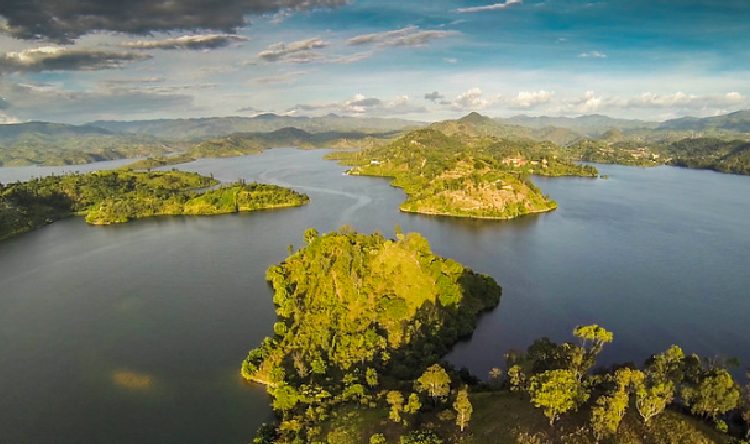
Its landscape combines open savannah plains, acacia woodlands, rolling hills, riverine forests, marshlands, and a chain of serene lakes.
Over one-third of Akagera is composed of wetlands, making it one of the largest protected wetland systems in central Africa.
Lake Ihema, its largest lake, is a central feature supporting rich birdlife and aquatic wildlife.
The mosaic of habitats supports both terrestrial and aquatic ecosystems, creating exceptional wildlife diversity across the park.
Biodiversity & Wildlife
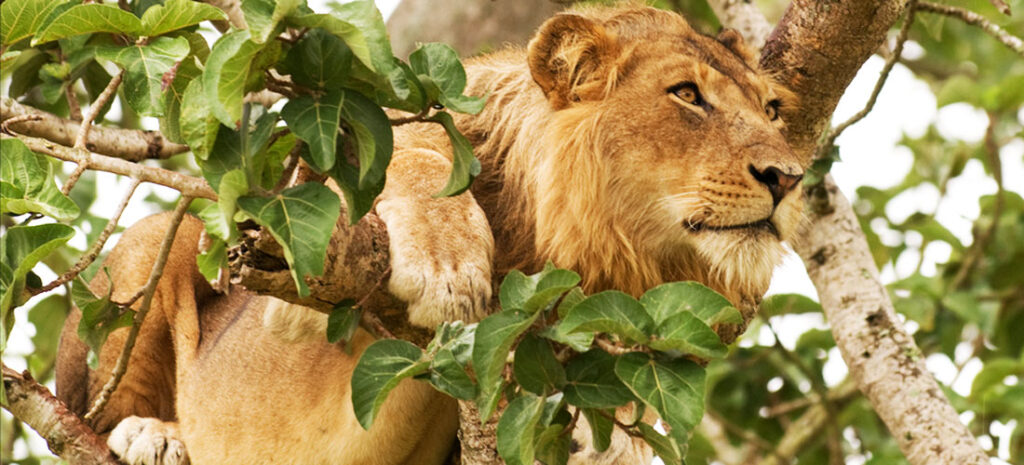
Akagera National Park is home to all of Africa’s Big Five—elephants, lions, buffaloes, leopards, and both black and white rhinos.
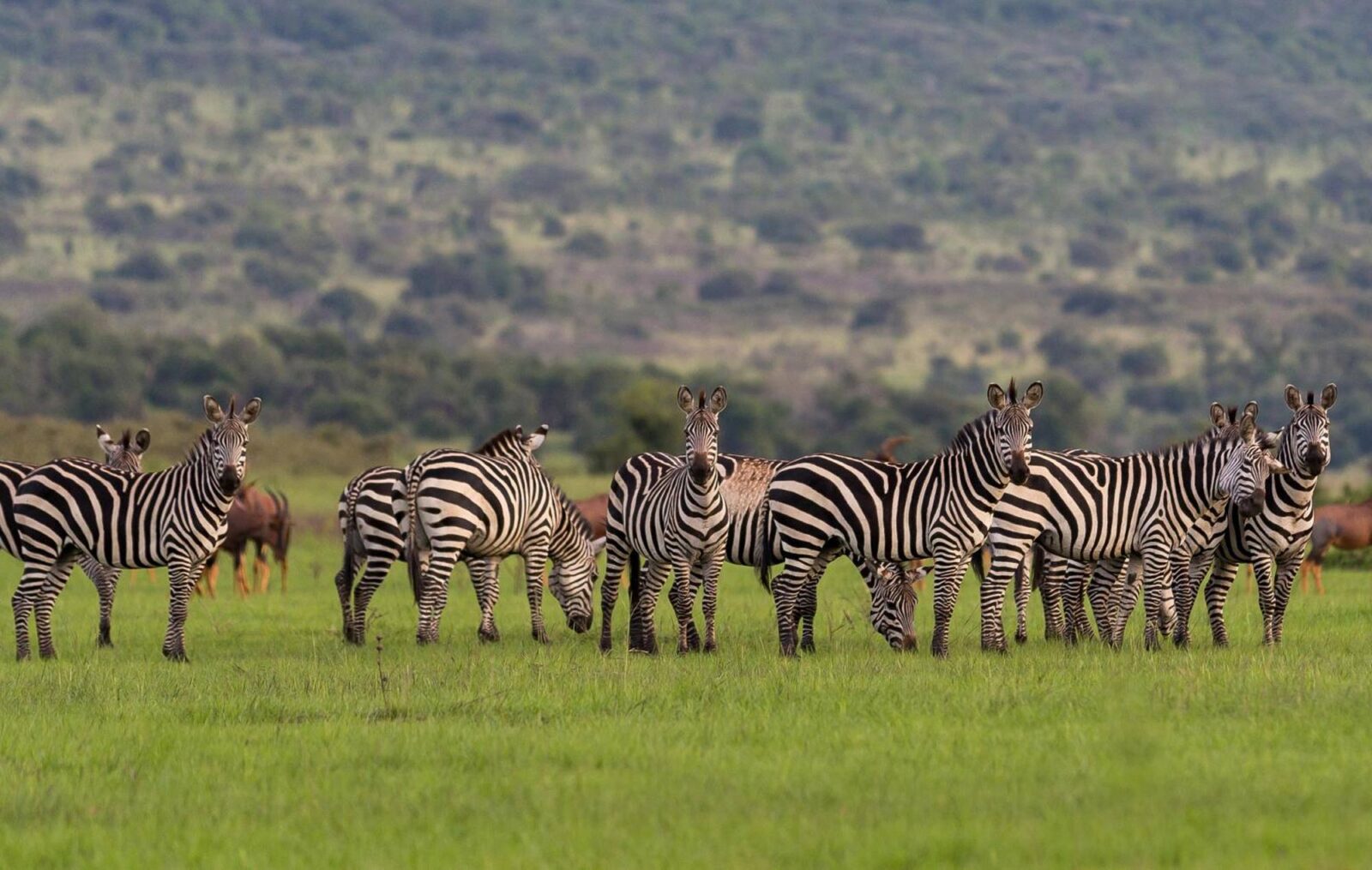
More than 100 mammal species inhabit the park, including giraffes, zebras, topis, elands, impalas, hippos, and crocodiles.
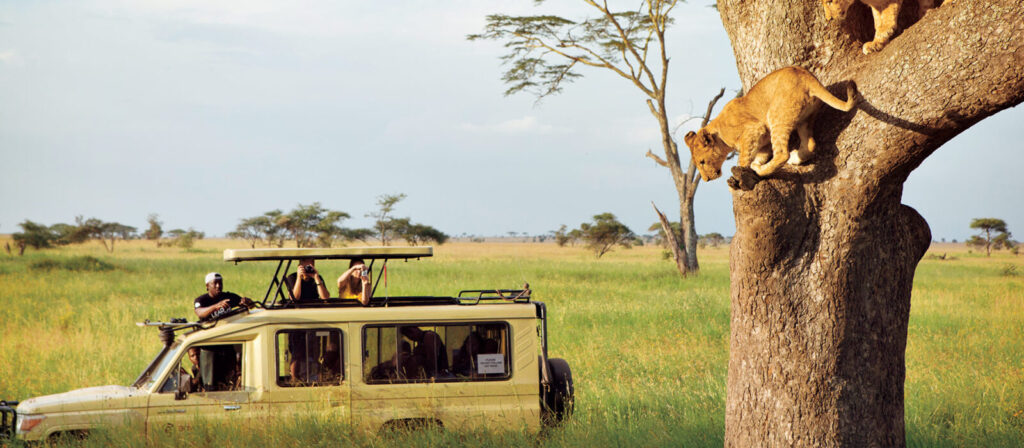
The reintroduction of lions in 2015 and rhinos in subsequent years restored Akagera’s full large-mammal diversity.
The park hosts over 500 bird species, making it one of East Africa’s most important birding destinations.
Waterbirds thrive in the marshlands, while raptors, savannah species, and forest-edge birds create an exceptionally wide avian spectrum.
The park’s diverse habitats allow predators and herbivores to coexist in naturally balanced ecosystems.
Activities & Attractions
Game drives allow visitors to explore the savannahs and woodlands while observing wildlife in their natural habitats.
Boat safaris on Lake Ihema provide close encounters with hippos, crocodiles, and abundant bird species.
Night game drives reveal nocturnal animals such as hyenas, servals, civets, and nightjars.
Birdwatching opportunities abound in wetlands, savannahs, and hilltop viewpoints.
Guided nature walks and behind-the-scenes conservation tours offer educational insight into Akagera’s restoration success.
Cultural visits in surrounding communities introduce travelers to local traditions, crafts, and daily life.
Climate & Seasons
Akagera experiences a warm savannah climate with moderate humidity.
Average temperatures typically range between 20°C and 30°C depending on altitude and season.
Rainy seasons occur from March to May and again from October to November.
Dry seasons from June to September and December to February offer the best wildlife viewing.
Water sources shrink during the dry months, drawing wildlife to lake shores and making animal sightings more predictable.
Accessibility
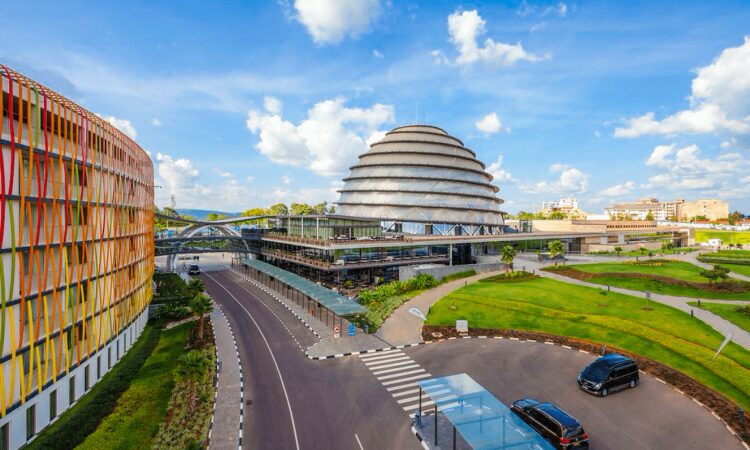
The park lies about 2 to 3 hours from Kigali by road, making it one of Rwanda’s most accessible safari destinations.
The main entrance is through the southern gate near the park headquarters.
A second exit in the north allows for full traverses from south to north.
4×4 vehicles are recommended due to varying terrain, especially in the northern savannah region.
Helicopter transfers can be arranged for guests seeking faster or more scenic access.
Accommodation
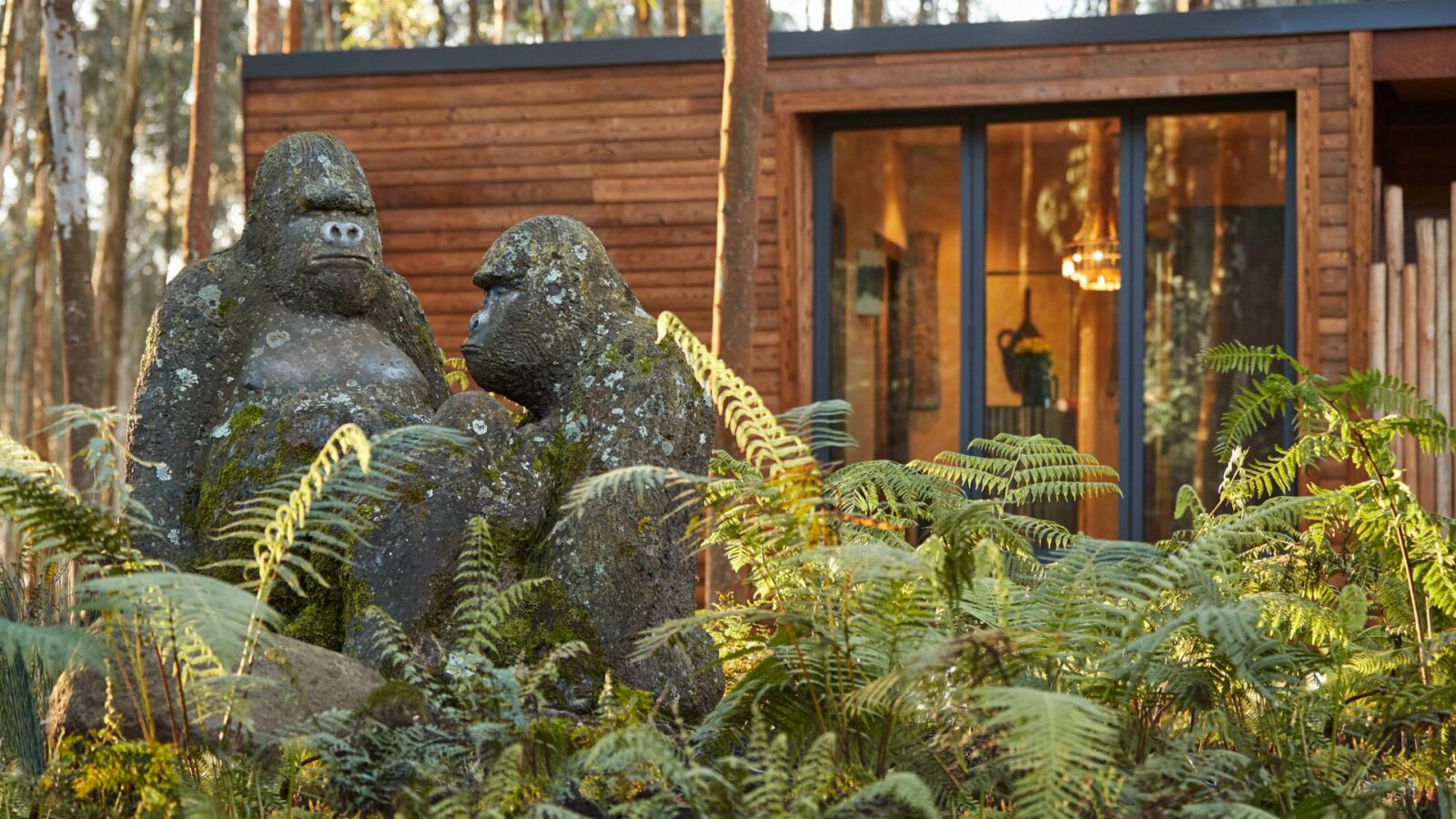
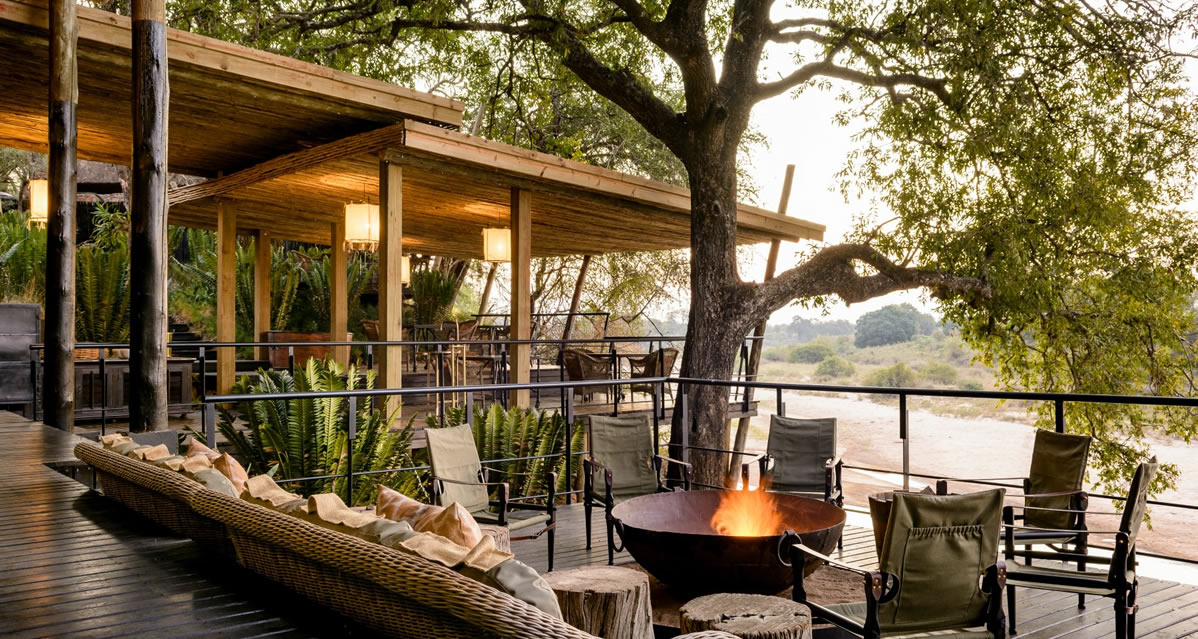
Akagera offers a range of lodges categorized into Luxury, Mid-Range, and Budget, providing options for every type of traveler.
Luxury Lodges
Ruzizi Tented Lodge
Wilderness Magashi Camp
Akagera Game Lodge (Premium suites)
Mid-Range Lodges
Akagera Game Lodge (Standard rooms)
Karenge Bush Camp (Seasonal eco-camp)
Budget Options
Dereva Hotel (just outside the park)
Local community guesthouses near the southern gate
Simple campsites managed by the park for self-sufficient travelers
Each option offers unique ways to experience the park, from lakeside luxury to simple nature-based stays.
Conservation Importance
Akagera’s revival is one of Africa’s most successful conservation transformations.
Once heavily impacted by poaching and land pressure, the park has achieved ecological stability through strong governance, anti-poaching patrols, and wildlife reintroductions.
Partnerships with local communities ensure long-term sustainability through employment, resource-sharing programs, and eco-tourism opportunities.
Wildlife populations have increased dramatically due to improved security and habitat restoration.
The park plays a vital role in Rwanda’s broader conservation strategy and national tourism growth.
Cultural & Historical Context
Communities surrounding Akagera maintain long-standing cultural ties to the land, including pastoral and agricultural traditions.
Many local cultural practices emphasize harmony with the natural landscape and responsible resource use.
Cultural villages near the park showcase traditional music, dance, storytelling, crafts, and agricultural life.
The region’s history adds depth to the visitor experience, linking ecological protection with human heritage.
Visitor Facts
Visitors must follow park regulations and are encouraged to hire official guides for game drives.
Boat safaris, night drives, and guided walks require advance bookings.
Photography is permitted, though professional filming may require special permits.
The park is open year-round, with early mornings and late afternoons offering peak wildlife activity.
Full traverses from the south to the north provide the best overall wildlife exposure.
Interesting Facts
Akagera was once nearly twice its current size but was reduced to accommodate resettlement after Rwanda’s 1994 genocide.
It remains Rwanda’s only savannah national park and its largest protected natural area.
The wetlands within Akagera form one of the most important freshwater ecosystems in central Africa.
Effective conservation efforts have made the park one of the continent’s strongest examples of protected-area recovery.
Large-scale reintroductions of lions and rhinos restored predator-prey dynamics, enriching Akagera’s ecological authenticity.