


Akagera National Park
Akagera National Park
Akagera National Park
Akagera National Park rises out of the eastern plains of Rwanda as one of Africa’s most extraordinary stories of resilience, rebirth, and ecological triumph. Spread across a dramatic landscape of rolling hills, papyrus marshes, vast savannahs, shimmering lakes, and thick riverine forests, this park represents one of the continent’s most inspiring conservation turnarounds. It is a place where big wildlife, deep history, and visionary protection efforts blend into one of East Africa’s most rewarding safari destinations. Visitors who journey into this serene wilderness often discover that Akagera is shaped not only by geography but also by a powerful human commitment to restore what once seemed lost.
Akagera National Park stands today as Rwanda’s only savannah park and its largest protected wetland ecosystem. It offers a near-perfect balance between accessibility and wilderness, inviting travelers into landscapes that feel authentically untamed yet secure, thoughtfully managed, and rich in ecological diversity. While Rwanda is globally celebrated for its mountain gorilla trekking in the Virunga highlands, Akagera shows a different face of the country—a landscape of acacia woodlands, open grasslands, and snaking waterways where elephants roam, lions prowl the plains, antelopes sprint into the wind, and the timeless rhythm of the wilderness remains intact.
For many visitors, the true essence of Akagera lies in its gentle but powerful contrasts. It is a place where breathtaking sunrise colors paint the sky above glassy lakes, where the calls of fish eagles echo across reed-fringed waters, where predators silently follow herds through golden grass, and where a sense of calmness replaces the everyday rush of life. Every traveler who enters Akagera finds themselves immersed in a landscape that is not just beautiful but deeply evocative, stirring the imagination and grounding the spirit.
Whether one comes for its wildlife encounters, its landscapes, its conservation success story, or the sheer serenity of its natural environment, Akagera National Park stands as a beacon of what thoughtful protection can achieve. It is a park that honors Rwanda’s commitment to preserving its wild spaces and one that rewards every visitor with a safari experience filled with depth, meaning, and unforgettable moments.

Facts
General Facts
Name: Akagera National Park
Established: 1934
Country: Rwanda
Region: Eastern Rwanda, bordering Tanzania
Area: Approximately 1,122 square kilometers
Altitude Range: Roughly 1,200 to 1,825 meters above sea level
Type: Savannah, woodland, and wetland ecosystem
UNESCO Status: Not currently listed but recognized for regional ecological significance
Management: Co-managed by Rwanda Development Board (RDB) and African Parks since 2010
Geography & Hydrology
The park is named after the Kagera River, which flows along its eastern boundary.
Its landscape combines open savannah plains, acacia woodlands, rolling hills, riverine forests, marshlands, and a chain of serene lakes.
Over one-third of Akagera is composed of wetlands, making it one of the largest protected wetland systems in central Africa.
Lake Ihema, its largest lake, is a central feature supporting rich birdlife and aquatic wildlife.
The mosaic of habitats supports both terrestrial and aquatic ecosystems, creating exceptional wildlife diversity across the park.
Biodiversity & Wildlife
Akagera National Park is home to all of Africa’s Big Five—elephants, lions, buffaloes, leopards, and both black and white rhinos.
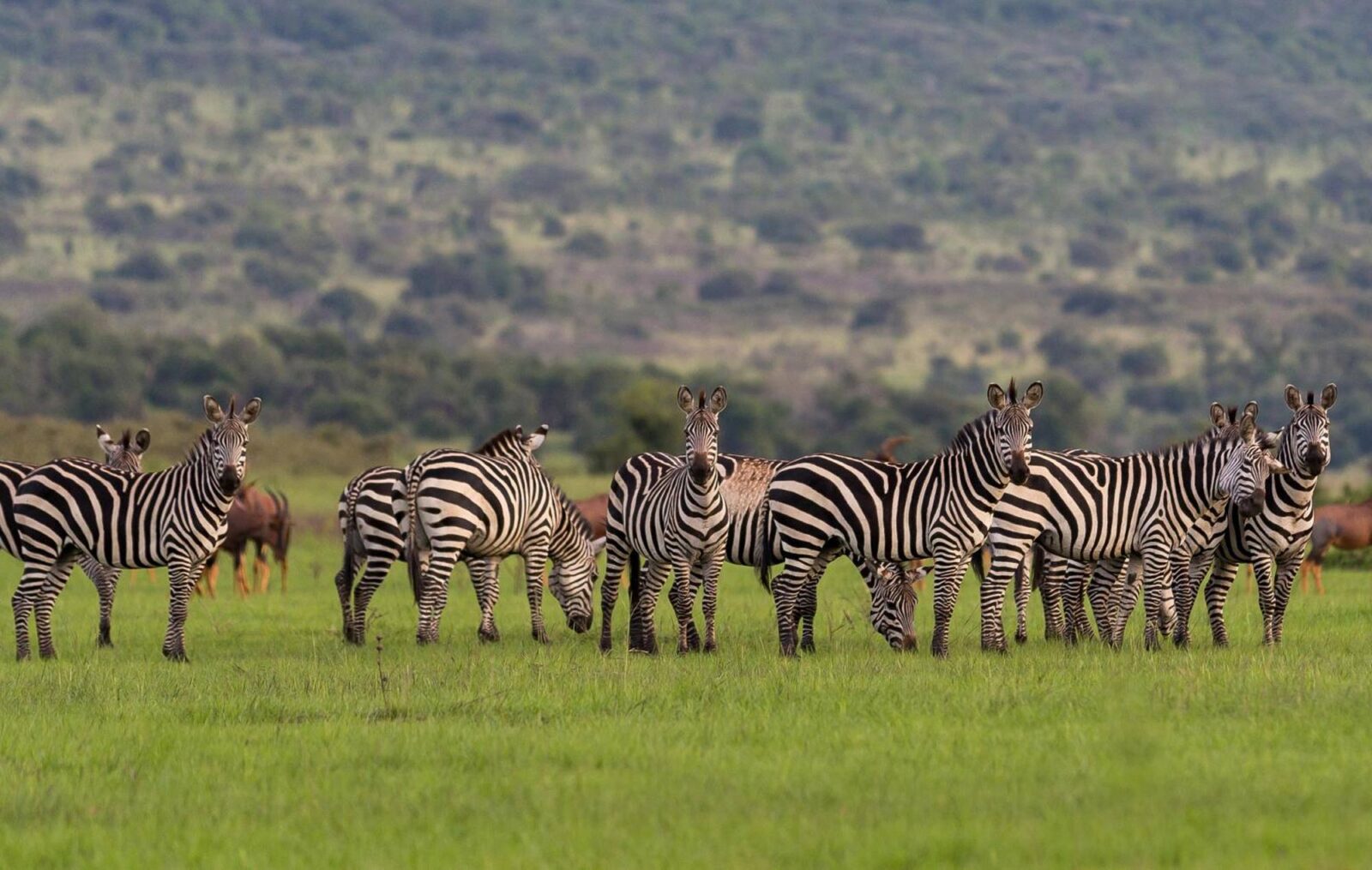
More than 100 mammal species inhabit the park, including giraffes, zebras, topis, elands, impalas, hippos, and crocodiles.
The reintroduction of lions in 2015 and rhinos in subsequent years restored Akagera’s full large-mammal diversity.
The park hosts over 500 bird species, making it one of East Africa’s most important birding destinations.
Waterbirds thrive in the marshlands, while raptors, savannah species, and forest-edge birds create an exceptionally wide avian spectrum.
The park’s diverse habitats allow predators and herbivores to coexist in naturally balanced ecosystems.
Activities & Attractions
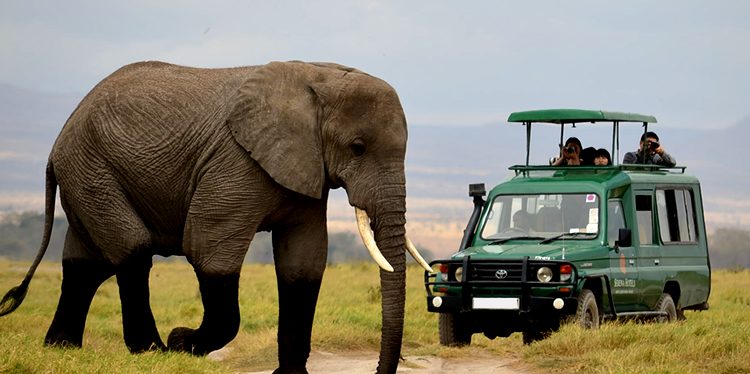
Game drives allow visitors to explore the savannahs and woodlands while observing wildlife in their natural habitats.
Boat safaris on Lake Ihema provide close encounters with hippos, crocodiles, and abundant bird species.
Night game drives reveal nocturnal animals such as hyenas, servals, civets, and nightjars.
Birdwatching opportunities abound in wetlands, savannahs, and hilltop viewpoints.
Guided nature walks and behind-the-scenes conservation tours offer educational insight into Akagera’s restoration success.
Cultural visits in surrounding communities introduce travelers to local traditions, crafts, and daily life.
Climate & Seasons
Akagera experiences a warm savannah climate with moderate humidity.
Average temperatures typically range between 20°C and 30°C depending on altitude and season.
Rainy seasons occur from March to May and again from October to November.
Dry seasons from June to September and December to February offer the best wildlife viewing.
Water sources shrink during the dry months, drawing wildlife to lake shores and making animal sightings more predictable.
Accessibility
The park lies about 2 to 3 hours from Kigali by road, making it one of Rwanda’s most accessible safari destinations.
The main entrance is through the southern gate near the park headquarters.
A second exit in the north allows for full traverses from south to north.
4×4 vehicles are recommended due to varying terrain, especially in the northern savannah region.
Helicopter transfers can be arranged for guests seeking faster or more scenic access.
Accommodation
Akagera offers a range of lodges categorized into Luxury, Mid-Range, and Budget, providing options for every type of traveler.
Luxury Lodges
Ruzizi Tented Lodge
Wilderness Magashi Camp
Akagera Game Lodge (Premium suites)
Mid-Range Lodges
Akagera Game Lodge (Standard rooms)
Karenge Bush Camp (Seasonal eco-camp)
Budget Options
Dereva Hotel (just outside the park)
Local community guesthouses near the southern gate
Simple campsites managed by the park for self-sufficient travelers
Each option offers unique ways to experience the park, from lakeside luxury to simple nature-based stays.
Conservation Importance
Akagera’s revival is one of Africa’s most successful conservation transformations.
Once heavily impacted by poaching and land pressure, the park has achieved ecological stability through strong governance, anti-poaching patrols, and wildlife reintroductions.
Partnerships with local communities ensure long-term sustainability through employment, resource-sharing programs, and eco-tourism opportunities.
Wildlife populations have increased dramatically due to improved security and habitat restoration.
The park plays a vital role in Rwanda’s broader conservation strategy and national tourism growth.
Cultural & Historical Context
Communities surrounding Akagera maintain long-standing cultural ties to the land, including pastoral and agricultural traditions.
Many local cultural practices emphasize harmony with the natural landscape and responsible resource use.
Cultural villages near the park showcase traditional music, dance, storytelling, crafts, and agricultural life.
The region’s history adds depth to the visitor experience, linking ecological protection with human heritage.
Visitor Facts
Visitors must follow park regulations and are encouraged to hire official guides for game drives.
Boat safaris, night drives, and guided walks require advance bookings.
Photography is permitted, though professional filming may require special permits.
The park is open year-round, with early mornings and late afternoons offering peak wildlife activity.
Full traverses from the south to the north provide the best overall wildlife exposure.
Interesting Facts
Akagera was once nearly twice its current size but was reduced to accommodate resettlement after Rwanda’s 1994 genocide.
It remains Rwanda’s only savannah national park and its largest protected natural area.
The wetlands within Akagera form one of the most important freshwater ecosystems in central Africa.
Effective conservation efforts have made the park one of the continent’s strongest examples of protected-area recovery.
Large-scale reintroductions of lions and rhinos restored predator-prey dynamics, enriching Akagera’s ecological authenticity.
Akagera National Park
Trip Ideas
3 Day Akagera National Park Big Five
3-Day Akagera Wildlife Safari and Boat Cruise
4-Day Wildlife Safari at Akagera National Park
6-Day Rwanda Akagera Safari and Cultural Vacation Tour
Akagera National Park
At a glance
Akagera National Park is located in eastern Rwanda along the border with Tanzania, spanning a significant portion of the country’s low-lying savannah region. The park is roughly 110 kilometers from Kigali, making it one of East Africa’s most accessible major safari destinations. This closeness to the capital allows travelers to reach the park in as little as two to three hours by road, offering the rare opportunity to experience a full classic safari without having to embark on long-distance travel.
The journey from Kigali to Akagera introduces travelers to a subtly changing landscape. The road passes through Rwanda’s renowned rolling hills before transitioning into broader, more open plains. As the park approaches, the terrain becomes flatter, warmer, and drier, signaling entry into the country’s eastern savannah belt. This accessibility extends beyond road transport, as guided tours, private transfers, and well-organized safari operators allow even first-time visitors to reach the park comfortably and efficiently.
One of Akagera’s distinctive features is its linear layout, stretching north to south alongside Rwanda’s border. Many visitors choose to enter through the southern gate, near the park headquarters, where permits, accommodations, and guides can be organized. The northern region of Akagera is wilder, more remote, and rich in large mammals, and its exit gate allows travelers to experience the park as a full traverse from south to north. This unique single-direction journey creates a continuous safari experience that feels immersive and filled with discovery.
Akagera’s internal road network is well maintained, ensuring that even visitors in standard 4×4 vehicles can comfortably explore its diverse habitats. As travelers move deeper into the park, the sense of stepping into a preserved wilderness becomes stronger, with sweeping grasslands, acacia-covered slopes, shorelines, and forested pockets appearing in rhythmic sequence. This ease of access, combined with the park’s incredible biodiversity, makes Akagera one of Rwanda’s most visitor-friendly yet authentically wild destinations.
Akagera National Park is endowed with some of the most remarkable wildlife viewing opportunities in East Africa. Its varied ecosystems support a broad spectrum of mammal, bird, and reptile species, providing a truly captivating safari experience. This is Rwanda’s premier destination for Big Five sightings, offering encounters with elephants, lions, leopards, rhinos, and buffalo—an achievement made possible through years of dedicated restoration and security efforts.
The park’s elephant population has flourished significantly, and visitors often encounter them grazing along the lakeshores, moving in majestic groups across the savannah, or feeding quietly beneath acacia trees. The reintroduction of lions in 2015 and black rhinos in 2017 has transformed Akagera into a fully rounded safari destination. Lions now patrol the grasslands with increasing confidence, and their population has steadily grown, making sightings more common and thrilling.
Akagera is also home to an abundance of herbivores such as impalas, zebras, topis, elands, bushbucks, waterbucks, and the rare roan antelope, which adds to the park’s safari diversity. Masai giraffes tower above the savannah vegetation, creating beautiful photographic moments as they move gracefully between woodland patches. Hippos and Nile crocodiles populate the lakes in impressive numbers, with some of the largest crocodiles in East Africa basking along the muddy banks.
Birdlife in Akagera is outstanding, with more than five hundred recorded species. The park is a haven for both forest and savannah birds, making it a paradise for birders seeking unique sightings. Shoebill storks, crowned cranes, fish eagles, papyrus gonoleks, and numerous migratory species contribute to the park’s rich avian diversity. The lakes and marshes create perfect habitats for waterbirds, while the woodlands and savannahs attract raptors, songbirds, and ground-dwelling species.
The park’s scenic beauty is itself a major attraction. Lake Ihema, the second-largest lake in Rwanda, offers one of the most tranquil and photogenic landscapes in the region. Its waters reflect the surrounding hills and skies in a way that captures the heart of every visitor. Across the park, sweeping grasslands, rugged overlooks, wooded islands, and winding rivers create a mosaic of habitats that sustain life and enchant the senses.
Visitors to Akagera National Park enjoy a wide array of activities that highlight the park’s ecological richness and scenic diversity. Game drives are the most popular way to explore the park, offering opportunities to witness large wildlife against the backdrop of expansive savannahs, rolling hills, and picturesque lakes. Morning, afternoon, and full-day drives provide unique atmospheres, from the golden glow of sunrise to the shimmering heat of midday and the gentle evening light that softens the landscape.
Boat safaris on Lake Ihema are another signature activity that defines the Akagera experience. These quiet journeys along the water expose visitors to some of the best birdwatching in the region, along with close-up sightings of hippos and crocodiles. The gentle breeze, the calls of waterbirds, and the changing reflections on the lake create a serene and immersive encounter with nature.
Night drives offer a completely different perspective, revealing the mysterious world of nocturnal wildlife. Species such as hyenas, jackals, serval cats, civets, and nocturnal birds come alive under the cover of darkness, turning the park into a realm of shadows and subtle movements. The thrill of scanning the landscape with spotlights enhances the excitement and unpredictability of night-time wildlife encounters.
Cultural experiences near the park allow visitors to connect with local communities and learn about the traditional practices, agricultural systems, and daily life of people living near Akagera. These experiences emphasize the harmonious relationship between the park’s conservation efforts and community development.
Guided nature walks, birdwatching excursions, and behind-the-scenes conservation tours further enrich the visitor experience. These activities give travelers deeper insight into the thoughtful management and long-term protection strategies that have made Akagera a global conservation success.
Akagera National Park can be visited throughout the year, and each season brings its own charm and set of advantages. The dry season, which typically runs from June to September and again from December to February, offers some of the best wildlife viewing conditions. During these months, vegetation becomes thinner, water sources become more concentrated, and animals gather more predictably around lakes and rivers, making sightings more frequent and easier.
The wet season (March to May and October to November) transforms the landscape into a lush, green haven. This period is exceptionally beautiful for photography, as the savannah glows with fresh grasses, flowering plants, and vibrant foliage. Birdwatching becomes particularly rewarding because migratory species arrive, and breeding plumage among local species becomes more pronounced.
The climate in Akagera remains relatively warm throughout the year due to its low-lying location, making it comfortable for game drives and outdoor activities. Whether one chooses the crisp clarity of the dry season or the vivid beauty of the green season, the park consistently delivers memorable and rewarding safari experiences.
Akagera National Park offers a range of accommodation options that blend comfort, tranquility, and superb access to wildlife viewing areas. Visitors can choose from luxury lodges perched on scenic hillsides, mid-range camps situated near lake shores, and more rustic options that bring guests closer to nature. These accommodations are thoughtfully placed to maximize scenery and minimize environmental impact, ensuring that every visitor experiences the park in a sustainable, responsible way.
Many lodges offer sweeping views over the lakes and savannahs, allowing guests to enjoy sunrise and sunset from the comfort of their decks. Nights in Akagera are particularly atmospheric, with the distant grunts of hippos, the hum of insects, and the gentle breeze creating a peaceful ambiance. Most accommodations also facilitate guided activities, making it easy for visitors to plan game drives, boat trips, and nature walks.
Beyond the park’s lodges, additional accommodation options exist in nearby communities. These are perfect for travelers seeking more culturally immersive experiences or alternative budget-friendly stays. Regardless of the chosen option, the hospitality in and around Akagera is warm, attentive, and committed to ensuring that every visitor’s stay is memorable and fulfilling.
Visitors are encouraged to plan their Akagera safari with preparation and awareness, ensuring a smooth and enjoyable experience. The park’s climate can become warm during the day, so lightweight clothing, sunscreen, and plenty of water are essential. Early morning and evening drives may feel cooler, making layering a practical choice.
A 4×4 vehicle is highly recommended for navigating the park’s terrain, especially in the northern regions where roads become more rugged. Guests who prefer guided experiences will find trained guides invaluable, as they bring extensive knowledge of wildlife behavior, park history, and ecological systems that enhance the depth of the safari experience.
It is important for visitors to respect wildlife by maintaining safe distances and following all park regulations. The protection of wildlife and visitor safety remain top priorities, and responsible behavior ensures that the park’s natural balance is preserved for future generations.
Akagera National Park stands today as one of Africa’s most inspiring conservation success stories. Once threatened by poaching, encroachment, and resource pressures, the park has undergone a remarkable revival thanks to strong partnerships between the Rwandan government and conservation organizations. Anti-poaching measures, community engagement programs, wildlife reintroductions, and sustainable tourism strategies have transformed Akagera into a flourishing ecosystem.
This revival showcases the power of community-centered conservation. Local communities benefit from employment opportunities, revenue-sharing programs, cultural tourism initiatives, and increased security. This deepens the connection between people and nature, creating mutual incentives for long-term protection.
Akagera’s cultural significance extends beyond its ecological value. For generations, communities living near the park coexisted with its landscapes, relying on the region’s natural resources for survival. Today, the park serves as a symbol of renewed harmony, honoring traditional knowledge, promoting environmental education, and strengthening the social fabric around protected wilderness areas.
Akagera National Park offers a safari experience that is rich in wildlife, steeped in conservation triumph, and deeply connected to the landscapes and cultures of Rwanda. It is a place where tranquil lakes reflect the sky’s changing colors, where the drama of the savannah unfolds at every turn, and where wildlife roams freely through restored habitats. Travelers who explore this remarkable park discover not just a destination but a story—one shaped by perseverance, renewal, and an unwavering commitment to protecting nature.
Every moment in Akagera carries a quiet sense of wonder. The thrill of spotting elephants near the water’s edge, the graceful movement of giraffes across golden plains, the intensity of lion sightings, and the beauty of more than five hundred bird species create encounters that remain etched in memory. Visitors leave feeling enriched, inspired, and connected to the timeless rhythms of the wild.
For travelers seeking a meaningful safari experience that combines accessibility, biodiversity, scenic beauty, and a powerful conservation story, Akagera National Park stands among Africa’s finest destinations.
Other Places to Visit

Volcanoes National Park

Nyungwe National Park

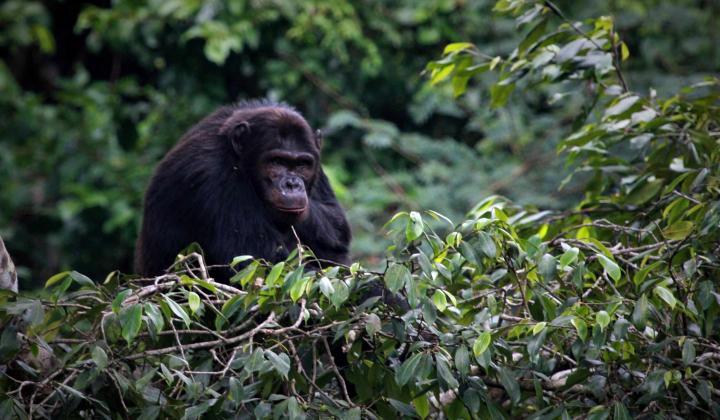
Gishwati–Mukura National Park

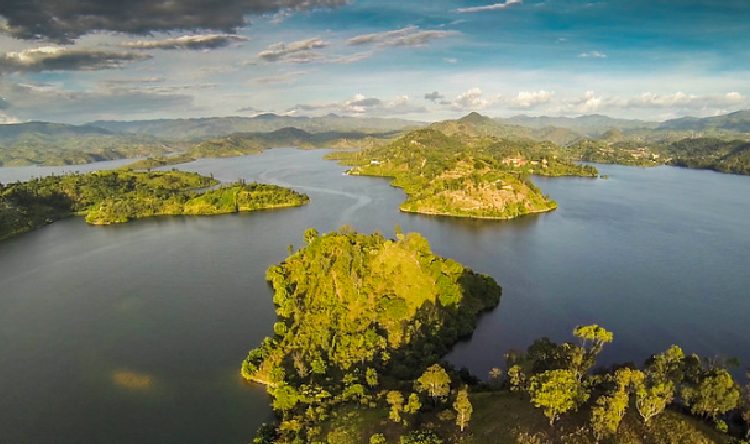
Lake Kivu


Genocide Memorial Sites


Kigali City

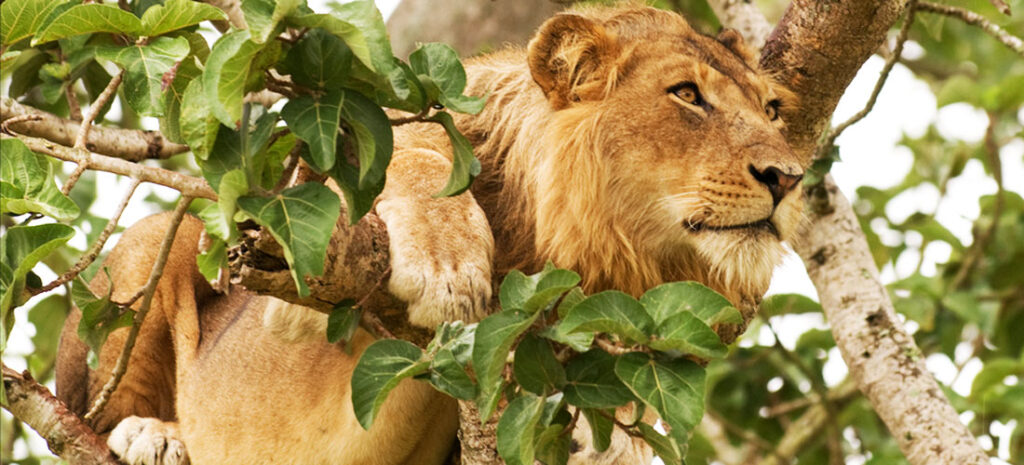
Uganda

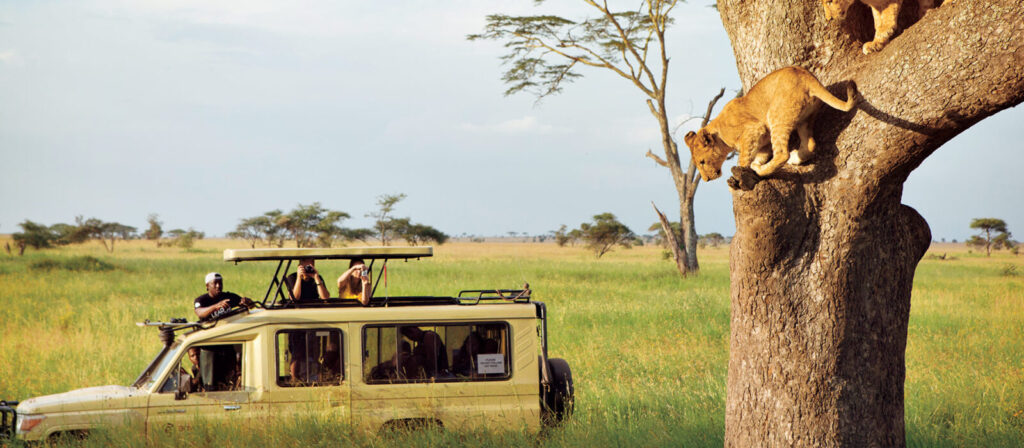
Tanzania
Featured Headlines
Latest stories and news

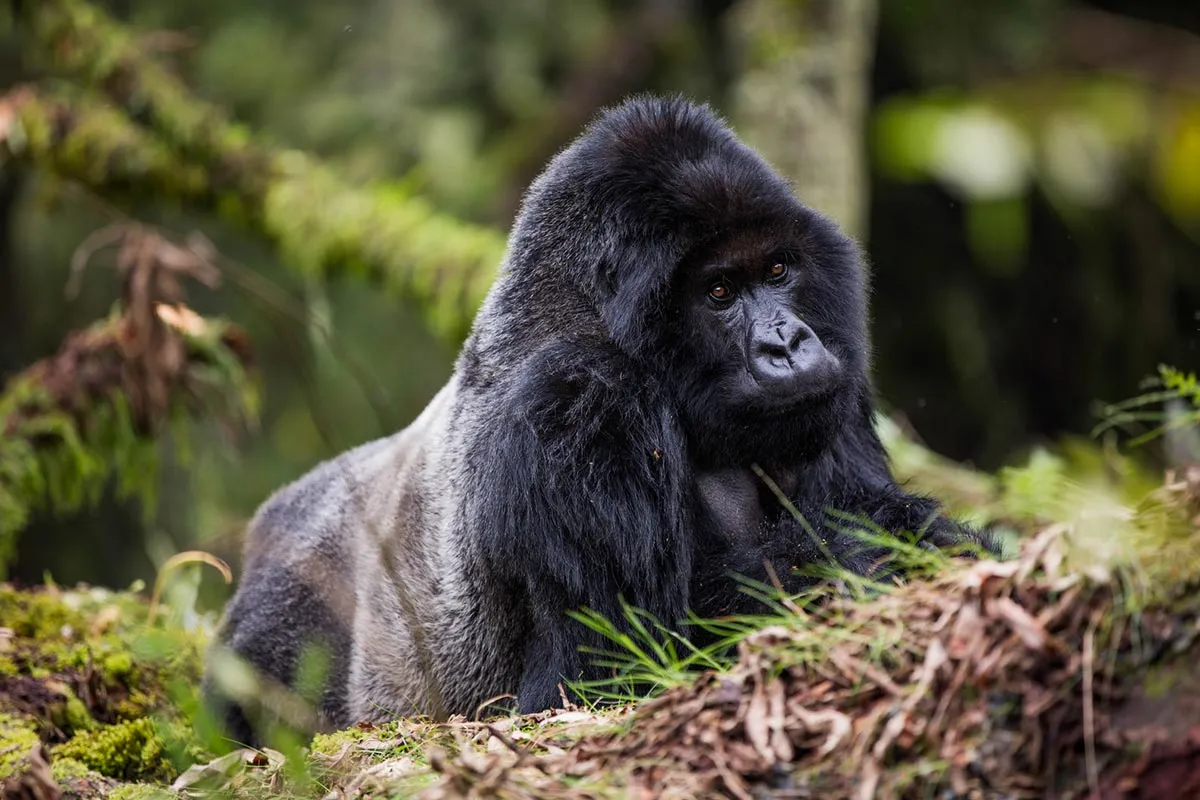
Volcanoes Gorillas Tours
Volcanoes Gorillas Tours

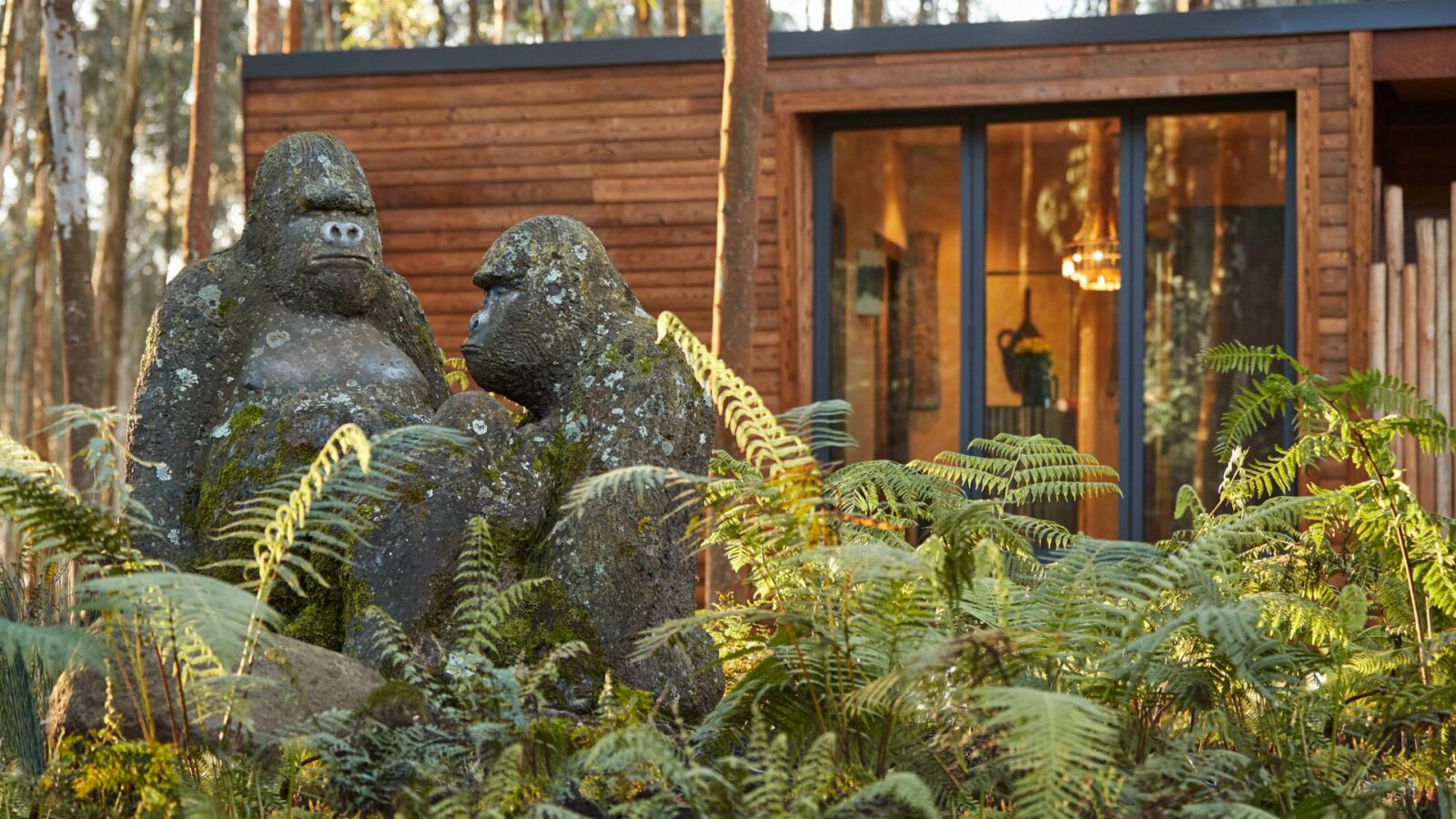
A Full Luxury Rwanda Itinerary
A Full Luxury Rwanda Itinerary

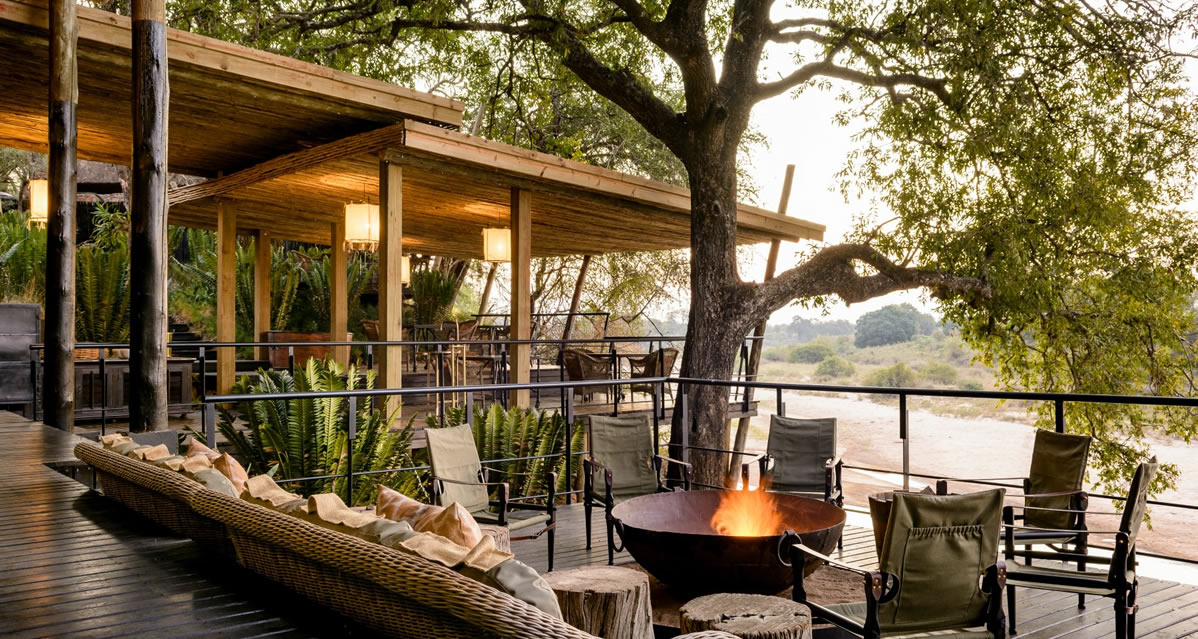
Best 10 Lodges in Rwanda
Best 10 Lodges in Rwanda


Is a Volcanoes Gorilla Tour Worth It?
Is a Volcanoes Gorilla Tour Worth It?